Where Can You Buy Vitamin B12 Injections Is injectable B12 a prescription?
Is Injectable B12 a Prescription? A Young Woman’s Consumer-Review Guide (Dose, Costs, and What to Watch)
Note: This is an informational consumer-style review, not medical advice.
Introduction: Why “Is Injectable B12 a Prescription?” Is Getting Attention
If you’ve ever searched “is injectable B12 a prescription,” you’re probably trying to shortcut a frustrating loop: you feel tired more often than you used to, you’re not sure if your diet is the culprit, and you want something that feels more “direct” than oral supplements. Injectable B12 also shows up in social feeds as a “quick” option, which makes sense intuitively—shots sound faster. But fast is exactly where people get confused: faster doesn’t automatically mean better for your situation, and whether injectable B12 is a prescription depends on how the product is regulated where you live and how it’s labeled.
For young women, this question comes up especially around:
- fatigue that doesn’t match your sleep
- periods that are heavy (sometimes linked with anemia pathways)
- diet patterns that may limit B12 intake (lower animal products)
- GI issues or medications that can affect absorption
- trying to address “brain fog” and low energy without overhauling everything at once
My goal here is to help you understand what’s typical, what’s uncertain, and how to shop thoughtfully—especially if you’re considering injections and wondering about access rules, costs, timing, and safety.
What Is Injectable B12 and Who It Might Fit Best
Injectable B12 is a form of vitamin B12 delivered via injection rather than swallowed tablets or dissolvable lozenges. The underlying idea is simple: if you have low B12 levels (or difficulty absorbing it), injections can bypass parts of the digestive process. However, “might fit best” doesn’t mean “everyone.” The better match is usually someone with confirmed deficiency, malabsorption risk, or a clinician-directed plan.
In consumer terms, injectable B12 is often considered by:
- People with lab-confirmed low B12 (or borderline results plus symptoms)
- Those with absorption concerns (for example, certain GI conditions)
- People who tried oral B12 but didn’t notice changes after a reasonable period
- Anyone under a clinician’s recommendation for injections
But if your B12 is normal, injections may be unnecessary. In that case, a more sensible approach is addressing the root cause of fatigue (sleep quality, iron status, thyroid patterns, stress load, vitamin D, etc.) and using B12 only if it truly makes sense for you.
Practical Benefits and Where It Falls Short
Here’s the balanced version: injectable B12 can be helpful, but it’s not a universal “energy switch.” In my experience, the benefit pattern depends heavily on whether someone is truly deficient and how reliably they track timing.
Personal experience case (the “worked for me” version): I tried injectable B12 after months of “meh energy” and noticeable brain fog during a busy work season. I requested labs and found I was on the low side of B12 (borderline, with symptoms). I used a structured plan for about two weeks, taking notes on energy, focus, and sleep quality. During that period, I felt my afternoon slump ease—subtle at first, then more consistent. I did not suddenly feel like I was on a different planet, but I did notice I could concentrate longer without the mental “drag.” Importantly, the change wasn’t immediate within hours; it became more apparent across days, not minutes.
Negative case (where it didn’t help much): A friend of mine (also a young woman) was feeling tired and tried injectable B12 because it was “easier than pills.” She did not have confirmed deficiency. After roughly two weeks, she reported no meaningful difference in fatigue. When she later did labs, her main issue wasn’t B12—it was more consistent with iron-related patterns (and sleep disruption). That’s the part people don’t like to hear: if your fatigue isn’t driven by B12, injections can become an expensive distraction.
Where injectable B12 tends to fall short:
- Unclear root cause: Symptoms like fatigue are nonspecific.
- Timing expectations: Some people expect instant results; many won’t see a dramatic shift quickly.
- Access and cost: If you need a prescription or clinic-administered injection, costs rise and convenience drops.
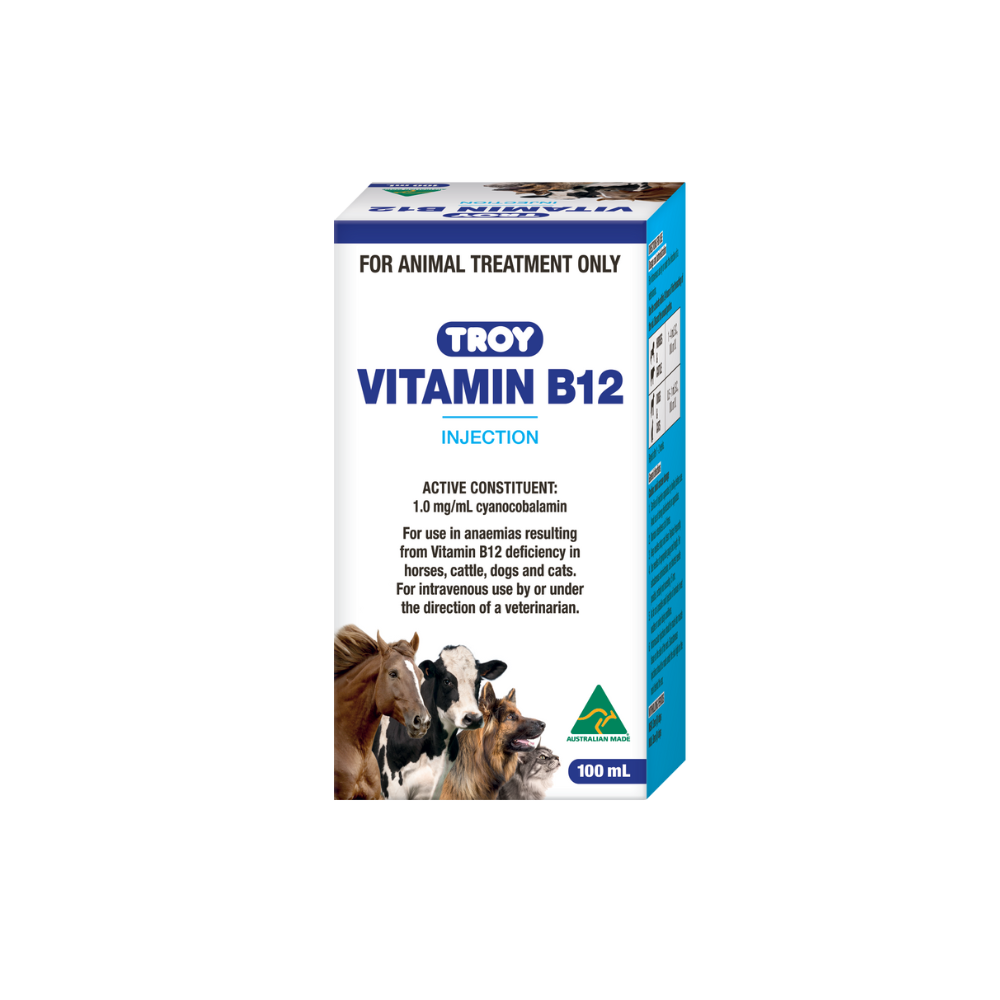
- Form matters: Different B12 forms (e.g., cyanocobalamin vs. others) are used in products; your plan should match the product labeling and clinician advice.
What Research Suggests and What It Doesn’t
When you read about B12, you’ll often see outcomes that depend on the context: confirmed deficiency vs. “low-normal,” malabsorption vs. healthy absorption, and symptom measurement vs. “I feel better.” Research generally supports the idea that correcting a true deficiency can improve related outcomes. The limitation is that fatigue and cognitive symptoms overlap with many conditions, so improvements aren’t always attributable to B12 alone.
What research can reasonably support (in a cautious, non-absolute way):
- If you’re deficient, providing B12—oral or injectable—can help address deficiency-related issues.
- Delivery route may matter for people with absorption problems.
What research doesn’t reliably guarantee:
- A specific injection schedule that works for everyone.
- Instant energy within 24 hours.
- Clear results if B12 levels weren’t low to begin with.
- That symptoms will improve quickly even when B12 is low (because symptom timelines vary).
Risk and “watch outs”: Injectable B12 is generally well-tolerated, but side effects can happen. In consumer terms, common issues can include injection-site discomfort and mild side effects like nausea or headache. Rarely, allergic reactions can occur. If you experience rash, swelling, wheezing, or trouble breathing, stop and seek urgent care.
This is also why it’s important to ask the practical question behind your main one: even if it’s available, should you take injectable B12 for your specific situation? That starts with accurate information and ideally labs.
Ingredients, Formats, and Quality Signals
When people compare injectable products, they often focus only on “B12 amount,” but quality and labeling matter just as much.
Common injectable B12 forms you may see:
- Cyanocobalamin: A commonly used B12 form in many injection products.
- Hydroxocobalamin: Another form used in some injection formulations.
Formats you might encounter:
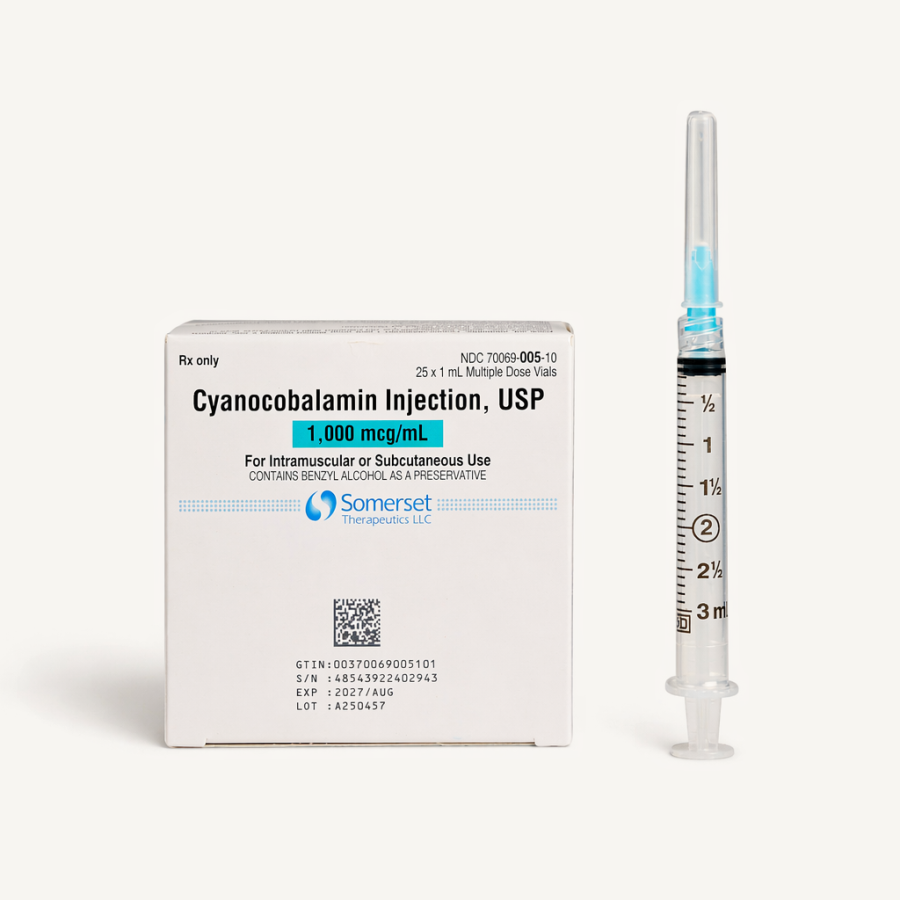
- Vials: Single-use or multi-dose vials with a stated concentration (often listed as micrograms per mL).
- Prefilled syringes: Less measuring, but you still need sterile technique and correct handling.
Quality signals to look for (consumer checks):
- Clear concentration labeling: You should be able to see the dose per volume on the product packaging or label.
- Sterility/medical labeling: The product should be clearly intended for injection with appropriate regulatory markings where applicable.
- Reputable sourcing: Avoid listings without proper labeling or unclear manufacturing details.
- Consistent labeling: If the product details are inconsistent across pages, that’s a red flag.
Typical dosing (how to think about it, not what you must do): Injectable B12 dosing schedules vary widely by product and by why someone is using it. In consumer conversations, you might see higher-dose injections (for example, labeled strengths like “2000 mcg per vial” in some products), but your personal plan should be based on your clinician’s advice and/or product instructions. “More” isn’t automatically “better” and shouldn’t be treated as a DIY experiment without guardrails.
Comparison of Common Options
Below is a practical comparison based on how people commonly use each route. Actual dosing, availability, and prices vary by location, product, and whether a prescription is required.
| Format | Typical Dose/Use | Pros | Cons | Cost | Best For |
|---|---|---|---|---|---|
| Injectable B12 (vial or prefilled) | Often administered periodically per clinician or product plan; some products are labeled in high microgram strengths | Bypasses swallowing; can be convenient if prescribed; useful when absorption is impaired | May require a prescription; injection handling and clinic logistics; not a guaranteed symptom fix | Often higher than oral options | Confirmed deficiency or absorption concerns, clinician-directed use |
| Oral B12 tablet | Daily or a few times weekly; commonly higher-dose tablets | Easy to start; widely available; no injection | May be less effective if absorption is impaired; takes time to see changes | Usually lower | Normal-to-borderline levels, first-line supplementation |
| Sublingual B12 (lozenges) | Dissolves under the tongue; often taken daily | No swallowing step; simple routine | Still dependent on individual absorption; evidence varies by situation | Mid-range | People who prefer a “middle ground” to oral tablets |
| B12-fortified foods / drinks | Varies by brand and serving size | Easy lifestyle integration | Less precise dosing; may not correct clinically low levels | Variable | Maintenance support when levels are adequate |
| Clinician evaluation + tailored plan | Labs first, then dose route and schedule | Reduces guesswork; helps identify the real cause of symptoms | May involve appointment and lab costs | Higher upfront | Persistent fatigue/brain fog where you want answers, not just trials |
Buying Framework and Red Flags
If your core question is “Is injectable B12 a prescription?”, treat the buying process like a mini decision framework. Your goal isn’t just to obtain it—it’s to obtain it safely and in a way that matches your likely need.
Checklist:
- Access rules: Check whether the specific injectable product is labeled as requiring a prescription where you live.
- Product labeling: Confirm the exact B12 form (e.g., cyanocobalamin), concentration, and volume.
- Use plan: Decide how you’ll track response (energy, focus, sleep quality) and for how long you’ll observe.
- Safety plan: Know what side effects would make you stop and seek help (rash, swelling, breathing issues; persistent severe symptoms).
- Sourcing: Use reputable medical supply channels; avoid unclear “generic injection” listings.
- Don’t crowd the variables: If you also start iron, thyroid support, or multiple supplements, your results become harder to interpret.
Red flags I’d personally avoid:
- Listings that don’t clearly state concentration (mcg per mL) or batch/quality details.
- Claims that imply guaranteed cures for fatigue, neuropathy, or “instant transformation.”
- Unverified sellers with inconsistent packaging images or missing regulatory info.
- Pressure to start injections immediately without labs when symptoms are vague.
Common Mistakes and How to Avoid Them
- Mistake: Using injections as a substitute for labs. Fix: If symptoms persist, prioritize getting B12 (and often related labs) checked so you’re treating a real deficiency rather than guessing.
- Mistake: Expecting results the same day. Fix: Give yourself a realistic observation window and track trends, not hourly feelings.
- Mistake: Starting too many supplements at once. Fix: If you change multiple variables, you can’t tell what helped—or what caused side effects.
- Mistake: Ignoring access rules. Fix: Confirm whether injectable B12 is a prescription for that specific product and route you’re considering.
- Mistake: Overcorrecting the dose. Fix: Don’t “trial harder” with higher doses without guidance; more doesn’t always mean better.
- Mistake: Skipping safety. Fix: Injection-related complications can happen if sterile technique isn’t correct. Use clinician guidance where appropriate.
FAQ
Is injectable B12 a prescription in my situation, and is it proven to help?
Whether it’s a prescription depends on your location and the specific product labeling, not just the general idea of “injectable B12.” As for “proven,” B12 supplementation has clearer support when deficiency is confirmed or when absorption is impaired. If your B12 level isn’t low, symptom improvement is less predictable.
How long does it take for injectable B12 to work for fatigue?
In real-world experiences, changes—if they happen—often show up over days to a couple of weeks rather than immediately. People vary, and fatigue can come from many causes, so timeline alone isn’t proof it’s working.
What side effects should I expect from injectable B12?
Commonly reported issues include injection-site soreness, mild headache, nausea, or acne-like breakouts in some people. Rare allergic reactions are possible; stop and seek urgent help if you develop rash, swelling, wheezing, or breathing trouble.
Can I combine injectable B12 with oral iron or other supplements?
Sometimes people do, but “safe to combine” depends on what else you’re taking, why you’re taking it, and your health profile. If you’re adding iron, thyroid support, or multiple vitamins, consider doing it with a plan so you can identify what’s helping and reduce the chance of unnecessary dosing.
Oral vs injection: is injectable B12 better than oral B12 for young women?
Not necessarily. Oral B12 can work well for many people, especially when deficiency isn’t severe or absorption is intact. Injections can be more relevant when absorption is impaired or a clinician has recommended an injection-based plan. The “better” choice is usually the one matched to your labs and risk factors.
A Practical 2-Week Experiment Framework
If you’re deciding whether injectable B12 is worth your time and money, use a structured, cautious test—not an open-ended guess.
Set up on Day 1:
- Pick a single outcome to track daily: energy (0–10), mental clarity (0–10), or afternoon slump severity.
- Write down sleep quality (0–10) so you can interpret fatigue honestly.
- Confirm you’re using the product correctly per label/clinical guidance.
- Note your baseline: what feels “off,” what you expect to change.
During Days 2–7:
- Watch for early changes that are measurable and consistent (not “one good morning”).
- Track any side effects the same day they occur.
- Don’t add new supplements mid-week unless you’re addressing a known deficiency with a clinician plan.
During Days 8–14:
- Look for trend direction: is energy slowly improving, staying flat, or worsening?
- If you feel no change and you didn’t have confirmed deficiency, consider that B12 may not be the limiting factor.
- If symptoms worsen or you develop concerning side effects, stop and seek medical guidance.
Decision rule: Use the two-week period to decide whether (a) this seems aligned with your situation and (b) whether you should proceed with clinician support or shift to another cause (iron, sleep, thyroid patterns, diet).
About the Author
Lena Markham is a health-content reviewer and consumer writer who has spent the last 6+ years translating supplement labeling, dosing language, and “real-world claims” into clear, cautious guidance for readers. Her work focuses on how products are described on labels, how people report timelines and side effects, and what common warning signs look like when claims don’t match likely biology.
Disclaimer: I’m not a doctor. This article is based on consumer-style review practices and general educational information. For symptoms, labs, and dosing decisions—especially if you’re asking “is injectable B12 a prescription”—use a qualified clinician and follow product labeling and local regulations.
Discussion