B12 + Mic Injection Unleashing the Benefits of MIC/B12 Injections for Health ...
Unleashing the Benefits of MIC/B12 Injections for Health: A Cautious, Consumer-Style Review for Young Women
Quick context: “MIC/B12 injections” is a shorthand you’ll see in clinic menus and online discussions. Depending on the provider, it may refer to a blend that includes vitamin B12 plus additional compounds intended to support cellular energy pathways or methylation processes. Because formulas vary, treat every product as “different” until you confirm the exact label and dose with a qualified professional.
Young women have been searching this topic for a simple reason: many are juggling high stress, inconsistent sleep, meal timing changes, and workouts—then looking for a low-effort option that feels “targeted.” If you’ve ever wondered whether B12 injections could be the missing piece for energy, metabolism support, or how you feel day-to-day, you’re not alone. Just keep your expectations grounded: injections are not a substitute for nutrient-dense eating, sleep, hydration, or medical evaluation when symptoms are persistent.
Introduction: Why “Unleashing the Benefits of MIC/B12 Injections for Health” Is Getting Attention
Search patterns suggest people are looking for long-tail answers like “MIC/B12 injections for fatigue,” “MIC/B12 injections for energy,” and “MIC/B12 injections for weight loss energy.” That’s consistent with how these products are marketed—often as a supplement-style support option. The attention also makes sense because vitamin B12 deficiency (or low-normal B12) can happen from diet patterns (especially if you’re low on animal products), absorption issues, or other medical factors. When B12 status is truly low, supplementing can help address symptoms connected to deficiency.
But here’s the consumer-reality part: many online reviews blend two different experiences—(1) people who were actually low in B12 and felt noticeable improvement after replenishment, and (2) people who weren’t deficient and still hoped injections would create major changes in weight, energy, or mood. Those outcomes can be wildly different. This article focuses on how to think about MIC/B12 injections like a careful consumer: what benefits are plausible, what’s uncertain, what to watch for, and when to stop.
What MIC/B12 Injections Is and Who It Might Fit Best
MIC/B12 injections typically combine vitamin B12 (commonly as cyanocobalamin or hydroxocobalamin) with additional ingredients marketed as “MIC” components. The exact “MIC” definition is not standardized across all clinics or sellers, which is why labels matter. In practice, providers may position the blend for:
- General energy and “day-to-day stamina” support
- Metabolism-adjacent wellness goals
- Mood/mental clarity support (often indirectly via nutrition and energy)
- Addressing suspected B12 insufficiency
Who it might fit best: young women who have reason to consider B12 status (for example, a diet that may be low in B12, heavy training with inconsistent intake, recent changes in eating patterns, or symptoms that prompt them to get lab work). It can also fit readers who want a structured, trackable intervention under clinician guidance rather than “random supplementing.”
Who it might fit less: anyone with unclear goals (“I just want to feel better fast”) without getting basics evaluated; anyone with a history of adverse reactions to injectable vitamins; and anyone with ongoing neurologic symptoms, unexplained anemia signs, or fatigue that’s persistent and unexplained—those situations deserve medical assessment first, not trial-and-error.
Practical Benefits and Where It Falls Short
Let’s talk like a consumer reviewing a product you’re considering paying for. People often report two categories of outcomes: (A) feeling changes—more alertness, less sluggishness, steadier energy—and (B) “goal support”—helping them stay consistent with workouts or diet plans because they feel better day-to-day. The injection itself doesn’t automatically “fix” lifestyle friction, but it may make routines easier for some.
Personal experience case (positive, cautious): I tried a MIC/B12 injection plan through a local clinic after noticing I felt “wired but tired” during late afternoons and my usual pre-work meal timing was inconsistent. I’m not claiming it was the only factor—my sleep schedule was improving at the same time—but over about 7–10 days I noticed my energy felt less “crashy.” I also felt like it was easier to hit my usual step goal without dragging. My plan was short: two injections spaced about a week apart, then reassessment. I still needed carbs and protein earlier in the day to prevent fatigue, but the injection seemed to make my baseline feel more stable.
Where it fell short (important): the change wasn’t a dramatic transformation. It didn’t replace hydration, iron-containing meals, or consistent training. On days I slept poorly, I still felt awful. If you’re expecting the injection to override sleep debt or a nutritionally imbalanced routine, that’s where disappointment tends to show up.
Negative case (stop and reassess): A friend of mine did a similar MIC/B12 injection series after seeing TikTok-style claims about “weight loss energy.” She didn’t have confirmed B12 deficiency. Within 24–48 hours after a later dose, she experienced noticeable side effects: nausea, a mild headache, and a jittery feeling that made her workouts feel uncomfortable. She also reported that her sleep that week was worse. She stopped after that session and checked in with a clinician. The takeaway: even if something is “just vitamins,” injections can still cause side effects, especially when the formula isn’t clear or your body isn’t a match.
In both stories, the pattern was similar: the people who treated it like a short, trackable trial were more satisfied than the people hoping for guaranteed results.

What Research Suggests and What It Doesn't
Here’s the evidence-minded framing. Vitamin B12 is well-established as essential for red blood cell formation and neurologic function. If you’re deficient, correcting it can improve symptoms tied to deficiency. That’s the area where the strongest rationale exists.
What research typically does not provide (or doesn’t support strongly) is broad, universal claims like:
- MIC/B12 injections guaranteeing weight loss
- Injections “burning fat” directly
- Instant energy for everyone, regardless of baseline B12 status
- Reliable mood improvements without addressing sleep, nutrition, stress, or mental health factors
Limitations to keep in mind: study designs vary, formulas labeled as “MIC/B12” are inconsistent, and many trials don’t mirror the real-world use pattern of clinics selling bundled injection schedules. Also, when people feel better, it can be due to multiple simultaneous changes: improved diet quality, iron intake, better hydration, reduced stress, more consistent meals, or simply the placebo effect.
Risk considerations: injections add variables—sterility, technique, and how your body reacts to specific ingredients. Side effects can happen even if the ingredients are vitamins. If you have kidney disease, a known allergy history, neurologic symptoms, unexplained fatigue, or anemia concerns, it’s smarter to talk to a clinician before starting.
Ingredients, Formats, and Quality Signals
Because MIC/B12 blends vary, you should treat “quality” as more than the vibe of a clinic. Look for clarity and documentation.
Common product forms you’ll see
- Clinic-administered injections: a clinician prepares and administers the dose during an appointment.
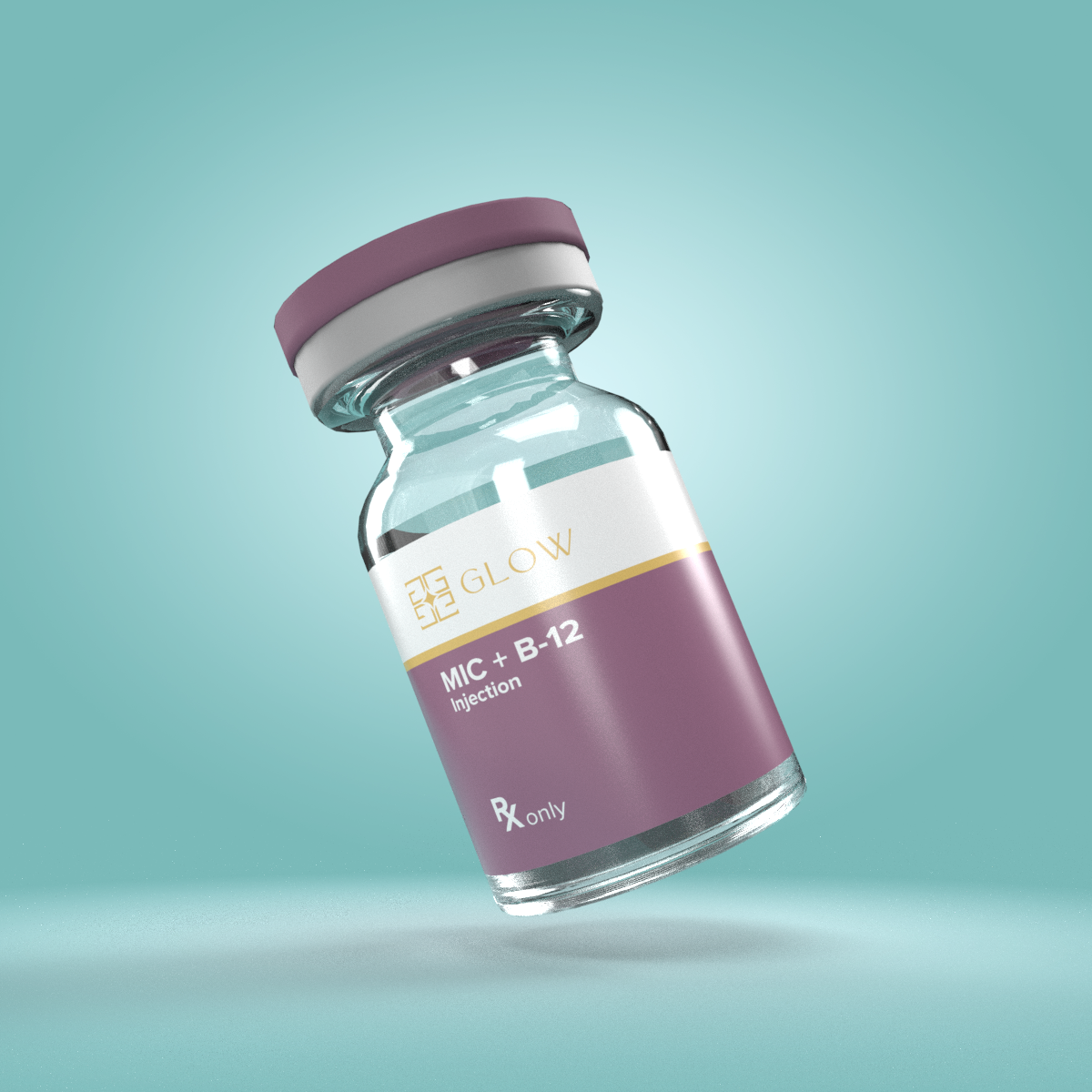
- Packaged vials or ampules: sometimes sold through medical channels with specified concentrations.
- Starter schedules: “a series of X injections over Y weeks,” often with follow-up reassessment.
Ingredients to expect (but confirm the exact label)
- Vitamin B12: often cyanocobalamin or hydroxocobalamin.
- Additional MIC components: may include methylation- or cellular-support compounds depending on the provider’s formulation.
- Injection excipients: sterile carriers and stabilizers (details depend on product).
Quality standards and “signals” that matter
- Clear dosing: concentration and total amount per injection, not vague marketing language.
- Traceable supplier: reputable sourcing and documented manufacturing.
- Sterile compounding/handling: injection should be administered with appropriate medical-grade protocols.
- Clinical screening: ideally, the plan considers your history and/or labs.
- Transparent costs: you should know per-injection pricing and any membership fees.
Price reality check: common clinic pricing can vary widely by region and provider. Treat “too cheap” as a red flag unless the clinic explains what you’re paying for (and what exact product is being used). Conversely, “premium” branding isn’t proof of better ingredients—always confirm the label.
Comparison of Common Options
The categories below reflect how MIC/B12 is commonly sold and used. Actual formulations vary, so this is a “how it’s often presented,” not a guarantee about any single product.
| Format | Typical Dose/Use | Pros | Cons | Cost | Best For |
|---|---|---|---|---|---|
| Single clinic injection (B12-forward) | 1 appointment; often reassess after 1–2 weeks | Lower commitment; easier to track response | May feel underwhelming if you expected a “series” effect | $—varies by location (confirm per-visit) | Trying it as a short trial |
| 2-injection starter pack | Two doses spaced ~7 days apart | More consistent routine; common for “trial cycles” | Still not individualized; side effects can occur mid-series | $—varies; often discounted vs. single | People who want a structured experiment |
| 3–4 injection series | Weekly dosing for several weeks | Better chance to observe a trend over time | Higher total cost; more side-effect opportunities | $—higher total; check per-injection breakdown | When symptoms suggest a possible deficiency and a clinician is involved |
| “MIC/B12 blend” multi-ingredient formula | Blend-specific; dosing varies by provider | Targets multiple pathways as the clinic presents it | Ingredient ambiguity if the label isn’t clear; outcome variability | $—often bundled | Readers who insist on full labeling and transparency |
| Oral B12 (alternative) | Daily or weekly oral dosing; based on deficiency plan | Non-injection option; easier self-management | May be slower if absorption is an issue | $—usually lower than injection series | People who prefer lower-risk trialing or have absorption questions handled medically |
Buying Framework and Red Flags
Use this checklist like you would for any “medical-adjacent” purchase. If you can’t get clear answers, that’s data.
- ✅ Confirm the label: exact ingredients, concentrations, and total dose per injection.
- ✅ Ask about B12 form: cyanocobalamin vs. hydroxocobalamin (or whatever is used).
- ✅ Get the schedule in writing: how many injections, spacing, and what reassessment means.
- ✅ Check for clinician involvement: who administers, and whether they review history/labs.
- ✅ Understand side effects: what they’ve seen, and when to stop.
- ✅ Price transparency: cost per injection, fees, and refund/cancellation policies.
- 🚩 Red flag: claims like “guaranteed weight loss,” “instant detox,” or “you will feel it after one dose” (especially without labs).
- 🚩 Red flag: refusal to tell you ingredient concentrations or what “MIC” stands for on their specific blend.
- 🚩 Red flag: pressure to buy a long series upfront without a trial option.
- 🚩 Red flag: no discussion of risks, allergies, or your medical history.
Common Mistakes and How to Avoid Them
Mistake 1: treating it as a shortcut for poor routines. If you’re chronically under-eating, sleeping 5–6 hours, or ignoring iron and protein needs, B12 injections may not overcome those fundamentals. Avoid building “hope” on a single variable.
Mistake 2: starting without any baseline plan. If you can, ask about B12-related labs (and clinician guidance). Even if you don’t get labs, at least document your starting point: energy level, sleep quality, appetite, and any symptoms.
Mistake 3: confusing deficiency correction with broad enhancement. People who are deficient often feel better; people without deficiency may feel nothing or have side effects. Keep your expectations aligned with what’s biologically plausible.
Mistake 4: changing everything at once. To tell whether MIC/B12 injections are helping, avoid starting new diets, caffeine changes, workout PRs, or major stress schedule changes in the same week. That muddles results.
Mistake 5: ignoring early side effects. If you get nausea, jitteriness, headaches, rash, or worsening sleep after an injection, treat that as a signal—not a minor inconvenience. Pause and contact the prescriber.
FAQ
Is MIC/B12 injections proven to improve energy and wellness outcomes?
Vitamin B12 is strongly supported for people who are deficient or have absorption-related issues. For MIC/B12 blends marketed for energy or “wellness,” evidence is less uniform because formulas vary and many outcomes depend on baseline status, lifestyle, and other nutrients. A cautious consumer approach is to treat it as a possible deficiency-support tool, not a guaranteed energy enhancer.
How long does it take for MIC/B12 injections to start working?
Some people notice changes within days, while others may need a couple of weeks to assess properly—especially if the plan is a short series. The most practical way is to track daily energy, sleep quality, and side effects for 2–14 days and discuss trends with a clinician.
What side effects should young women watch for after MIC/B12 injections?
Potential side effects can include headache, nausea, jitteriness, changes in sleep, injection-site discomfort, or allergic-type reactions in sensitive individuals. Stop and seek medical advice if you develop rash, swelling, breathing issues, or severe symptoms.
Can MIC/B12 injections combine with other supplements like iron, vitamin D, or magnesium?
Often, B12 can be combined with other vitamins, but “often” isn’t the same as “always.” Combination safety depends on your medical history, doses, and whether you’re treating a deficiency. If you’re taking multiple supplements, share the full list with a clinician or pharmacist before injections.
Is oral B12 better than injection for MIC/B12 alternatives?
Oral B12 can work well for many people, but injections may be considered when absorption is impaired or when a clinician prefers a direct replenishment route. The best option depends on your situation (diet, labs, absorption, symptoms, and tolerance), not on a universal “injection is always superior” rule.
A Practical 2-Week Experiment Framework
If you decide to try MIC/B12 injections, treat it like an experiment you can terminate if it doesn’t help or if side effects show up.
- Day 0 (setup): write down your baseline. Rate energy (0–10), sleep quality (0–10), and any specific symptoms. Note your typical diet, caffeine intake, and workout schedule.
- Confirm the plan: know the exact dose and schedule. Ask what “MIC” includes in the specific blend you’re receiving.
- Days 1–3 (reaction window): monitor injection-site pain, headache, nausea, jitteriness, and sleep changes. If side effects are significant, pause and contact the prescriber.
- Days 4–10 (trend window): track whether your “crash time” changes, whether workouts feel more comfortable, and whether appetite changes. Keep diet stable as much as possible.
- Days 11–14 (decision window): compare your average energy and sleep to Day 0. If nothing changes and there were side effects, it’s reasonable to stop the series discussion.
- After Day 14: discuss whether to continue, switch approach (like oral B12), or get labs for deficiency confirmation.
Failure-case rule of thumb: if you get adverse effects that worsen over time, or you see no meaningful benefit after your planned trial window, don’t “push through.” That’s how small risks turn into ongoing costs and frustration.
About the Author
Author: Jordan Park, BS (Health Communications). Jordan has spent the last 6 years reviewing wellness products and writing evidence-minded consumer guides focused on nutrition, supplementation, and lifestyle interventions. Their work includes structured “trial frameworks” that emphasize ingredient transparency, dose clarity, and lab-informed decision-making. Jordan is not a clinician and does not provide medical treatment—this article reflects consumer-style experience patterns, general education, and cautious interpretation of ingredient-driven products.
Disclaimer: MIC/B12 injections can carry risks and may not be appropriate for everyone. This content is for informational purposes and should not replace medical advice, diagnosis, or treatment. If you have persistent fatigue, anemia concerns, neurologic symptoms, or you’re considering injections because of specific health issues, talk with a licensed healthcare professional before starting.
Discussion