Where Can I Buy Vitamin B12 Injections Is it safe to buy B12 injections?
Is It Safe to Buy B12 Injections? A Young Woman’s Consumer Review on Risks, Evidence, and What to Check
Is it safe to buy B12 injections? That question is popping up in search bars for a reason: a lot of young women are trying to self-manage energy, focus, and “nutrient gaps” without waiting for an appointment. Some are also influenced by online reviews that make injections sound like the fastest route to feeling better. But B12 injections are not a one-click fix. Safety depends on whether the product is legitimate, whether the dose matches your situation, whether you have confirmed deficiency or a clear high-risk reason, and how you handle administration.
In this article, I’m approaching this like a consumer reviewer: practical, cautious, and focused on the things you can control—source, dose, timing, and expectations. I’ll include a personal experience case (what went right and why) and a negative case (what went wrong and what I’d do differently). You’ll also get a buying checklist and red flags to avoid, plus a 2-week experiment framework that prioritizes safety over hype.
Introduction: Why “Is it safe to buy B12 injections?” Is getting attention
Young women often search this topic when they notice symptoms they can’t easily explain: persistent fatigue, low exercise tolerance, tingling sensations, mouth soreness, or a sense of “off” cognition. At the same time, many are aware that B12 deficiency can happen without obvious diet problems—especially if you have absorption issues, a long-term vegetarian/vegan diet, or a medical history that affects gut absorption. The idea of a direct injection feels more certain than a pill that might not absorb well.
However, the same symptoms can come from iron deficiency (very common in young women), vitamin D insufficiency, thyroid imbalance, chronic stress, sleep deprivation, or side effects from medications. That’s the core reason this keyword keeps gaining traction: people want a quick, straightforward answer, but the safer path requires a match between symptoms and cause.
What Is B12 and Who It Might Fit Best
Vitamin B12 (cobalamin) supports red blood cell formation and helps keep the nervous system functioning. When people have true B12 deficiency, supplementation can be relevant—sometimes urgently—because deficiency can affect the blood and nerves.
In general, B12 injections are more likely to fit when one of these applies:
- Confirmed low B12 on blood work, especially if levels are significantly reduced.
- Absorption risk (for example, certain gastrointestinal conditions, history of bariatric surgery, or pernicious anemia).
- Dietary risk (strict vegetarian/vegan diets without consistent, reliable supplementation).
- Oral intolerance where people can’t tolerate pills, though “can’t tolerate” should be distinguished from “didn’t feel anything.”
For many young women without confirmed deficiency, the goal is often not “get injections,” but rather “address what’s actually missing.” That’s where your next step matters: symptoms plus diet history plus lab values are far more informative than a trend.
Practical Benefits and Where It Falls Short
Let’s talk about what people typically hope for and what you can realistically evaluate.
Potential practical benefits (when B12 is actually low):
- More direct delivery: injections bypass some absorption concerns.
- Structured dosing: if prescribed, the schedule can be clear and monitored.
- Useful when oral trials fail: sometimes injections are used if oral B12 didn’t work or wasn’t tolerated.
Where B12 injections can fall short:
- Unclear cause: you may feel no change if your symptoms weren’t due to B12.
- Timing mismatch: even with deficiency, your body may take time to adjust; symptom relief isn’t instant for everyone.
- Side effects still exist: injection-site pain, headache, and in some cases acne-like flare-ups can happen.
- Buying risk: the biggest “safety” issue for DIY purchasers is not the vitamin—it’s questionable sourcing, incorrect concentration, expired product, or wrong administration.
Personal experience case (what went right): I once tried a B12 injection after labs showed low-normal B12 and I was also restricting animal products. I used a legitimate, pharmacy-sourced product through a clinician-administered visit (not self-purchased online). I took my baseline seriously—fatigue level, sleep duration, and whether I had tingling or mouth soreness. Within about 2–3 weeks, I noticed improved stamina during daily walks and less “fog” after work. Importantly, I was also already addressing iron intake and sleep consistency, so I can’t claim B12 alone fixed everything. But the timing aligned better than when I previously tried oral supplements for a few days and quit.
Negative case (what went wrong): Another time, a friend bought B12 injections from an unverified online listing with no clear lot information. She followed a “common dose” she found in comments—then developed increasing redness and a painful lump at the injection site, plus a rash-like reaction within 48 hours. She stopped immediately and switched to care with a local clinic. The clinician emphasized that contamination or incorrect product handling can cause problems even when the ingredient is “just B12.” She also realized she hadn’t confirmed deficiency; she was primarily dealing with iron deficiency and stress-related sleep disruption.
What Research Suggests and What It Doesn’t
Research around B12 is nuanced. The strongest evidence for improvement relates to people with confirmed deficiency or known absorption problems. In those contexts, supplementation—oral or injectable—can restore levels and support normal physiology. But research often doesn’t map cleanly to symptom-based self-treatment, especially when labs aren’t checked.
What research tends to suggest:
- B12 deficiency is real and clinically relevant, especially in specific risk groups.
- Oral B12 can work for many people, including those without severe absorption problems, depending on dose and formulation.
- Injections are a tool—they’re not automatically “better,” but can be helpful when absorption is a concern or when someone needs a structured approach.
What it doesn’t support as a blanket claim:
- Guaranteed symptom relief for everyone who feels tired or mentally sluggish.
- Safety of DIY purchases from unknown sellers. That safety question depends on regulatory controls, manufacturing quality, storage, and administration technique.
- Instant results: even appropriate supplementation may take weeks, and symptom improvements can overlap with other changes (diet, iron, sleep).
So, when you ask “is it safe to buy B12 injections,” the evidence doesn’t give a universal yes or no. It points to conditional safety: appropriate indication + legitimate product + correct dosing + responsible administration.
Ingredients, Formats, and Quality Signals
B12 injections generally contain the active form of cobalamin, often as cyanocobalamin or hydroxocobalamin. The label matters because different forms can be used depending on the product and clinical context.
Common product formats you’ll see:
- Single-dose injection vials (commonly used in clinical settings)
- Multi-dose kits bundled with syringes/needles (still requires legitimacy and proper sterile handling)
- Concentrations expressed per mL, which means “dose” must be calculated correctly
Quality signals to look for if you’re considering buying:
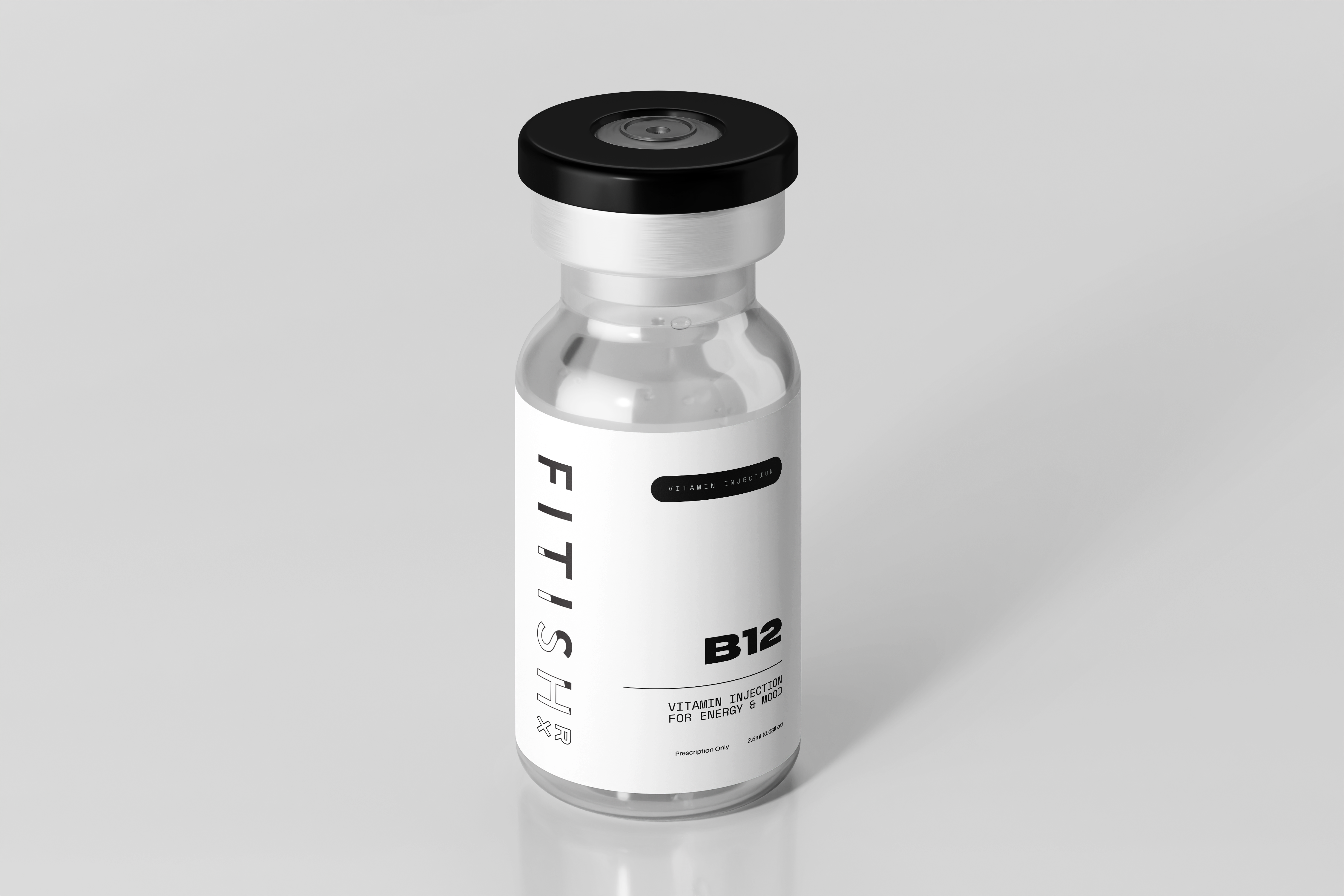
- Clear labeling: active ingredient name, concentration, volume per vial, and expiry date.
- Lot/batch number: traceability matters for recalls and verification.
- Regulated distribution: products supplied through legitimate channels are easier to verify than “mystery lab” listings.
- Storage guidance: injections are sensitive to improper storage conditions.
- Transparent packaging: reputable sellers don’t hide details behind generic descriptions.
Quality standard reality check: “It’s on a website” is not a quality standard. For safety, your priority is traceability and correct handling. If a seller can’t clearly provide product identity and lot information, treat that as a red flag, not a minor omission.
Comparison of Common Options
| Format | Typical Dose/Use | Pros | Cons | Cost | Best For |
|---|---|---|---|---|---|
| B12 injection (clinic-administered) | Often scheduled per clinical plan; commonly monthly or more frequent initially if deficient | Lower DIY risk; provider can confirm indication | Appointment cost; dosing may still require lab follow-up | Usually higher per session | Confirmed deficiency, absorption risks, or anyone prioritizing safety |
| B12 injection (purchased for self-use) | Dose depends on vial concentration; schedules vary widely online | Convenience; bypasses absorption concerns | Higher safety risk from sourcing, sterile technique, and wrong dosing | Varies; can look “cheap” but add supplies and risk | Only if you can verify product legitimacy and dosing with professional guidance |
| Oral cyanocobalamin/cobalamin tablets | Often daily microgram-to-milligram range depending on formulation | Simple; lower injection-site risk | May not work well if absorption is severely impaired | Often low to moderate per month | Most people seeking a low-risk first step after diet review |
| Sublingual or high-dose oral B12 | Higher daily dosing in some products | Easy to take; may help for mild absorption limitations | Still depends on formulation and consistency | Moderate; varies by brand | People who don’t want injections but want a stronger oral approach |
| B12 in fortified foods/drinks | Varies by product servings | Regular intake support; no injections | Harder to hit targets; depends on diet and labeling | Varies | Maintenance for people with adequate baseline intake |
Buying Framework and Red Flags
If you’re trying to decide whether it’s safe to buy B12 injections, use a framework that separates “ingredient safety” from “purchase and administration safety.” The vitamin isn’t the only variable.
Safety checklist (use this before you buy):
- Indication check: Do you have recent labs or a clear high-risk reason? If not, consider oral first or ask a clinician.
- Product identity: Does the label clearly state B12 form (cyanocobalamin or hydroxocobalamin), concentration, and volume?
- Lot/expiry: Is there a visible lot/batch number and an unexpired expiry date?
- Legitimacy signals: Is the seller/dispensing channel identifiable and traceable?
- Storage guidance: Do they provide proper storage instructions? If shipping conditions are unclear, treat it as a risk.
- Needle technique feasibility: Can you reliably practice sterile preparation? If you can’t, plan for a clinician or pharmacy-administered option.
- Medication interaction review: If you take medications, do you know what to discuss with a healthcare professional?
- Injection-site plan: Do you know where and how you’ll inject, and what you’ll do if a reaction occurs?
- Stop rules: Do you have a clear plan to stop if you get severe redness, swelling, hives, or breathing difficulty?
Red flags that should stop the purchase:
- Generic product photos with no concentration or vial details
- No lot number, unclear expiry, or “test unknown” claims
- Listings that imply “guaranteed energy” or “instant fix”
- Seller discourages questions about sourcing, storage, or sterile handling
- Pricing that feels suspiciously low compared to regulated equivalents (especially with no explanation)
Common Mistakes and How to Avoid Them
Even people who mean well make predictable mistakes. Here are the ones I see most often in “is it safe to buy B12 injections” conversations—and how to avoid them.
- Mistake: treating symptoms as proof
Feeling tired doesn’t automatically mean B12 deficiency. If you don’t test, you’re guessing. - Mistake: copying someone else’s dose
Vial concentration varies. “Same number of mg” may not exist across products. Wrong dosing is a real safety risk. - Mistake: skipping a baseline
If you don’t track your starting point (fatigue level, sleep, diet consistency), you can’t tell whether anything changed. - Mistake: trying injections plus multiple new supplements at once
If you start B12, iron, vitamin D, and a multivitamin simultaneously, symptom changes can’t be attributed clearly. - Mistake: pushing through side effects
Injection-site reactions should be taken seriously. Severe reactions are a stop-and-seek-care situation. - Mistake: believing “natural” means “risk-free”
B12 is a vitamin, but injections can still cause harm if contaminated, incorrectly dosed, or administered improperly.
FAQ
Is it proven that B12 injections are safe if I buy them online?
Safety is not guaranteed just because the ingredient is B12. “Is it proven” depends on the product quality and your administration situation. In general, injections are safer when obtained through legitimate regulated channels and administered with correct sterile technique, ideally with guidance when you don’t have confirmed deficiency.
How long does it take to notice effects after B12 injections?
Many people who are deficient report changes within days to weeks, but it varies by the cause of symptoms and baseline levels. If you feel no change after several weeks, it may indicate the symptoms weren’t from B12, the dose wasn’t appropriate, or another factor (iron deficiency, thyroid, sleep) is driving the issue.
What side effects should young women watch for with B12 injections?
Common issues can include injection-site pain, swelling, redness, headache, or nausea. Less common but important possibilities include allergy-like reactions (hives, facial swelling) and acne-like flares in some people. Severe or rapidly worsening reactions should be treated as urgent.
Can I combine B12 injections with iron or other supplements?
Often, people take B12 alongside iron, especially if they suspect multiple deficiencies. Still, combination choices should be cautious: confirm what you’re treating, avoid starting many new supplements at once, and consider professional guidance if you have known conditions or take prescription medications.
Oral vs injection: is one safer than the other?
Oral B12 is generally lower risk for injection-related issues (like sterile technique or injection-site reactions). Injections can be appropriate, but they add administration risk. If you’re deciding between them without labs or absorption issues, oral may be a safer first step.
A Practical 2-Week Experiment Framework
This isn’t a guarantee and it’s not a treatment plan—it’s a cautious framework to help you evaluate tolerance and whether the decision makes sense for you.
Days 1–2: Baseline and setup
- Write down symptoms (fatigue, focus, tingling, mouth soreness) and rate them 0–10.
- Confirm you have a legitimate product and a clear dosing plan. If you’re self-administering, ensure you understand sterile technique and stop rules.
- Don’t start multiple new supplements at the same time. If you’re already taking iron or a multivitamin, note it and keep it consistent.
Days 3–7: Observe tolerance
- Track injection-site reactions (pain, redness, swelling) for each dose.
- Monitor for headaches, nausea, rash, or unusual skin changes.
- If you develop concerning reactions, stop and seek care.
Days 8–14: Evaluate symptom direction (not perfection)
- Re-rate symptoms and compare to baseline.
- Consider other variables you can control (sleep hours, meal timing, hydration).
- If you feel better, don’t assume it proves causation—still consider labs and a broader nutrient review.
- If you feel worse or nothing changes, it may be a sign you should reassess the cause rather than continue indefinitely.
When to stop the “experiment” early: worsening rash/hives, breathing issues, severe swelling, significant persistent injection-site complications, or a clear pattern of adverse effects.
About the Author
Cameron Hartwell is a clinical-consumer reviewer focused on evidence-based supplement education and real-world safety evaluation for young adults. She has reviewed lab-guided nutrition plans, helped readers interpret ingredient labels, and documented common failure modes such as wrong dosing assumptions and side effects people ignore. Her reviews are written for consumers who want practical steps, not hype.
Disclaimer: This article is for general educational purposes and reflects consumer-oriented experience and cautious decision-making. It is not medical advice and doesn’t replace diagnosis or treatment by a qualified clinician. If you’re considering B12 injections due to symptoms, especially neurological symptoms or severe fatigue, getting appropriate blood work and professional guidance is the safest route.
Discussion