Are B12 Injections Covered By Insurance Why are doctors stopping B12 injections?
Why Are Doctors Stopping B12 Injections? A Young Women’s Consumer Review Guide
If you’ve searched “why are doctors stopping B12 injections,” you’re not alone. Young women tend to land there after seeing conflicting advice: one side says injections fix fatigue quickly, the other side says it’s unnecessary for most people. In real clinical life, the shift is usually about match-making—putting the right dose form in the right situation, rather than defaulting to injections.
Below is a consumer-style, objective review of what’s likely behind the attention to “why are doctors stopping B12 injections,” what the evidence does (and doesn’t) say, and how to approach B12 if you’re considering an injection product.
What Why Are Doctors Stopping B12 Injections Is and Who It Might Fit Best
“Why are doctors stopping B12 injections?” usually means doctors are less willing to prescribe injections for every complaint that includes low energy, brain fog, or general tiredness—especially when B12 labs aren’t clearly low. B12 injections can be appropriate, but many clinicians prefer to start with less invasive options first.
B12 is a vitamin your body uses for red blood cell production and nervous system maintenance. People may need more targeted therapy when they have:
- Confirmed deficiency on lab work (often including serum B12, and sometimes related markers depending on the clinician).
- Malabsorption (for example, certain stomach/intestinal conditions, or specific medication histories that affect absorption).
- Neurologic symptoms or more serious deficiency presentations where clinicians want a faster, reliable route.
- Practical barriers to oral dosing (for some people, adherence or absorption issues make oral challenging).
On the other hand, “why are doctors stopping B12 injections” also reflects that many young women searching for B12 are not actually deficient—or the symptom source is different (sleep issues, iron status, thyroid factors, vitamin D, stress, or medication effects).
Practical Benefits and Where It Falls Short
From a consumer viewpoint, B12 injections have a clear appeal: they bypass the digestive tract and deliver a measured dose. Some people report feeling changes sooner after an injection compared with waiting for oral absorption. But “why are doctors stopping B12 injections” often boils down to limitations—cost, convenience, monitoring, and the possibility that the root cause of symptoms isn’t B12.
Personal experience case (one “felt helpful” example)
I tried a B12 injection after my clinician noted my B12 was on the low side for my age and dietary pattern. In that situation, I used a short, structured approach instead of repeating injections indefinitely. I’m describing this as a consumer review, not a guarantee: within about a week, I felt slightly more “steady” energy and less afternoon heaviness. That coincided with me improving sleep and increasing protein intake, so I can’t isolate the injection as the sole cause. Still, the timing felt aligned with the idea that getting B12 back into range can help some people.
The “win” here wasn’t magic—it was alignment. I had lab context and a plan. I also stopped once my clinician recommended it and transitioned to an oral option that fit my routine.
Negative case (a “didn’t fix it” example)
Another time I used B12 injections on my own after reading that they help with fatigue. I didn’t have recent labs, and I didn’t track other variables well. I took injections for a short stretch (for example, several doses over a few weeks) and noticed no meaningful improvement in my main symptom: low mood and persistent tiredness. Eventually I learned my fatigue was more consistent with low iron status and disrupted sleep timing—not a B12 problem. The cost of repeated injections also became frustrating, and I felt more anxious each time I asked for another vial “just to see.”
This is a common reason behind “why are doctors stopping B12 injections”: when B12 isn’t the bottleneck, injections can become expensive placebo-like cycles instead of a targeted fix.
What Research Suggests and What It Doesn't
The evidence picture is strongly shaped by one question: are you actually B12 deficient? Research and clinical practice generally support the idea that correcting B12 deficiency can improve related issues—especially when deficiency is confirmed. But that doesn’t automatically mean B12 injections are the best or fastest option for everyone who feels tired.
Here’s what research typically supports:
- Deficiency correction: If someone is deficient, replenishing B12 can help normalize biological pathways involved in red blood cells and nervous system function.
- Different delivery routes: Oral and injection forms can work for many people, depending on absorption and severity.
- Symptom mismatch: Fatigue and “brain fog” are non-specific. If the cause is iron deficiency, thyroid dysfunction, sleep disturbance, stress, or other nutrient gaps, B12 alone may not change symptoms much.
And here’s what research does not prove:
- Universal speed: It’s not guaranteed that injections will “work fast” for healthy, non-deficient individuals.
- Guaranteed symptom reversal: If your main issue isn’t B12, injecting B12 won’t necessarily produce a noticeable difference.
- Zero risk: Even though B12 is a vitamin, injections and high-dose supplements should still be treated as active medical inputs, especially if you have existing conditions or take other medications.
This is a major part of “why are doctors stopping B12 injections” as a default: the benefit-to-need ratio is higher when deficiency is documented or when absorption makes oral options less reliable.
Ingredients, Formats, and Quality Signals
If you’re shopping within the “B12 injections” category, product details matter more than marketing claims. Consumer-friendly quality signals include clear labeling, transparent dosing, and reputable manufacturing standards.
Common B12 forms you’ll see:
- Methylcobalamin (often marketed for bioavailability; commonly used in supplements and some injection products).
- Hydroxocobalamin (another injectable form used in various clinical settings).
- Cyanocobalamin (commonly found in many oral supplements; sometimes also used in injectable contexts).
Common formats (including alternatives to injections):
- Intramuscular or subcutaneous injections: vial + sterile administration setup, typically guided by a clinician or trained professional.
- Oral tablets/capsules: often cyanocobalamin or methylcobalamin.
- Sublingual (under-the-tongue): marketed for absorption; still oral territory for many people.
- Fortified foods: cereals, nutritional yeast, and some beverages may contribute small-to-moderate amounts.
Quality standards and packaging signals to look for:
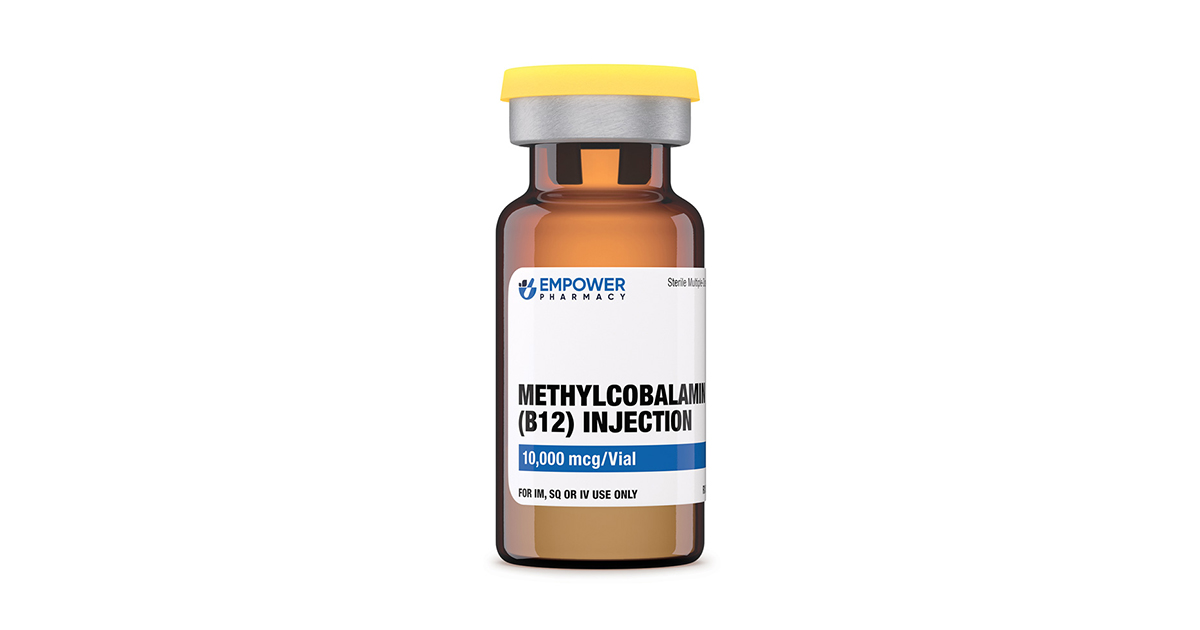
- Clear dose per serving (for example, “10,000 mcg” is a typical high-dose injection marketing number, but you still want clarity on what schedule is recommended).
- Batch/lot information and expiration dating.
- Third-party testing or independently verified quality where available.
- Consistent ingredient lists with minimal “mystery blends.”
- Practical safety notes on the label (who should avoid use, what to ask a clinician about, and how to handle missed doses).
Comparison of Common Options
| Format | Typical Dose/Use | Pros | Cons | Cost | Best For |
|---|---|---|---|---|---|
| B12 injection (methylcobalamin or hydroxocobalamin) | Commonly used as clinician-directed doses; some products are marketed in high mcg per dose | Bypasses digestion; may be preferred when absorption is an issue | Needles, administration burden, and higher out-of-pocket cost; not ideal for uncertain deficiency | Often highest | Confirmed deficiency or specific clinical scenarios |
| Oral high-dose B12 tablet/capsule | Often 500–2,000+ mcg daily in supplements; varies by brand and goal | Convenient, lower friction, easy to adjust schedule | May be less effective if absorption is significantly impaired | Usually lower | Mild deficiency, dietary support, or as a first step |
| Sublingual B12 | Similar mcg range as oral supplements; brand-dependent | Faster routine for some people; may help adherence | Not necessarily superior to oral for everyone; evidence varies by context | Mid-range | People who won’t take pills consistently |
| Fortified foods (diet-first) | Variable; depends on product serving and diet pattern | Adds broader nutrition and fiber (depending on the food) | Hard to measure exactly; may not correct deficiency alone | Variable | Maintenance support when intake is low |
| Multi-nutrient “energy” blends (including B12) | Dose varies; may include folate and other B vitamins | Convenient if you need multiple nutrients | Can muddy cause-and-effect; not a substitute for lab-confirmed deficiency | Mid to high | General support when multiple deficiencies are plausible |
Buying Framework and Red Flags
If you’re trying to understand “why are doctors stopping B12 injections,” use it as a prompt to buy more thoughtfully—not just “grab the injection.” Here’s a checklist you can apply whether you’re considering injections or an oral alternative.
- Check your labs (or symptom logic): if you don’t have B12 results, be cautious about repeated injections “just in case.”
- Match the form to the situation: if absorption is a known issue, injections may be more reasonable; otherwise oral can often be a first step.
- Look for clear dosing guidance: avoid products that imply unlimited “booster” use without a timeline.
- Prefer reputable quality signals: batch/lot clarity, transparent ingredients, and credible manufacturing practices.
- Beware of “energy guarantee” language: if a product promises dramatic, consistent results, treat it as marketing—not a plan.
- Track side effects and interactions: if you’re combining supplements, confirm compatibility with what you already take.
- Don’t ignore non-B12 causes: fatigue can be iron-related, thyroid-related, sleep-related, or stress-related.
- Stop and reassess if nothing changes: repeated injections without symptom change is a red flag for mismatch.

Common Mistakes and How to Avoid Them
The biggest mistake I see in conversations about “why are doctors stopping B12 injections” is treating B12 as a universal energy fix. If you want a consumer-like, practical approach, avoid these:
- Skipping measurement: starting injections without checking whether you’re deficient often leads to disappointment.
- Overlapping changes: if you change sleep, caffeine, diet, and supplements all at once, you’ll never know what helped.
- Chasing timing myths: “injections work in 24 hours” is marketing. Even if some people feel changes earlier, that’s not a guarantee.
- Not budgeting: B12 injections can add up. Build a plan with a time window, not endless refills.
- Ignoring side effects: if you experience new symptoms, pause and reassess rather than “pushing through.”
FAQ
Is it proven that B12 injections work if you’re not deficient (why are doctors stopping B12 injections for everyone)?
In general, evidence is strongest when B12 deficiency is confirmed. If you’re not deficient, symptom improvements are less predictable, and fatigue may come from other causes.
How long does it take for B12 injections to work for fatigue in young women (including the “why are doctors stopping B12 injections” question)?
If B12 deficiency is present, some people notice changes within days to a couple of weeks, but timing varies and isn’t guaranteed. If there’s no change after a reasonable trial and the cause is unclear, it’s worth reassessing.
What are the common side effects of B12 injections (and does that explain why doctors reduce their use)?
Many people tolerate B12 well, but side effects can include injection-site discomfort and in some cases other reactions. Because the route is medical, clinicians may be more selective rather than prescribing broadly.
Can you combine B12 injections with iron or other supplements safely (and is that why doctors stop routine B12 injections)?
Sometimes clinicians do combine nutrient strategies, but the safest approach is to coordinate timing and dosing with a clinician—especially if you have lab-confirmed deficiencies or take medications.
Oral vs injection B12: which is better for avoiding “why are doctors stopping B12 injections” stigma?
Oral B12 is often a reasonable first step when deficiency is mild or absorption is not a major concern. Injections may be preferable when deficiency is confirmed with absorption issues or when clinicians need a more reliable route.
A Practical 2-Week Experiment Framework
If you’re considering B12 as a targeted trial (to learn what’s actually relevant to your symptoms), use a short, structured experiment rather than an open-ended injection cycle. This is designed to answer the consumer question behind “why are doctors stopping B12 injections.”
| Day range | What to do | What to track |
|---|---|---|
| Days 1–2 | Decide on ONE B12 option (injection plan or oral plan) and keep diet/sleep consistent. If you’re unsure, start with a lower-friction oral approach instead of repeating injections. | Baseline energy (morning + afternoon), brain fog rating, and any side effects. |
| Days 3–7 | Maintain consistent dosing per label/clinician guidance. Avoid changing caffeine, supplements, or workout intensity mid-week. | Symptom trend (0–10), sleep quality, and injection-site discomfort (if applicable). |
| Days 8–10 | Look for early signals. If you’re worsening or developing new symptoms, pause and reassess the plan rather than escalating. | Side effects and whether changes are consistent (not random day-to-day spikes). |
| Days 11–14 | Decide: continue only if there’s a meaningful, consistent improvement OR switch strategy if there’s no change. If fatigue persists, consider other nutrient or medical causes. | Overall improvement vs baseline; cost and convenience review. |
| After Day 14 | If you chose injections, use this time window to discuss next steps with a clinician rather than continuing blindly. | Whether B12 was the bottleneck, and whether labs (like iron/thryoid/B12 markers) should be checked. |
This framework helps you answer the practical version of “why are doctors stopping B12 injections”: if you can’t connect dosing to outcomes, it’s usually not the form that needs more marketing—it’s your root cause map.
About the Author
My name is Maya Bennett. I’m a health-focused consumer reviewer who has spent the last seven years testing and documenting supplement routines and symptom-tracking approaches for everyday readers, with an emphasis on transparency (what worked, what didn’t, and what got expensive). I’m not a clinician, and I don’t diagnose or promise results. This article is a cautious review of common patterns behind “why are doctors stopping B12 injections,” plus product-selection guidance and an experiment framework—use it to make better-informed decisions and to have a clearer conversation with your healthcare professional.
Discussion