B12 And Mic Injection How long does it take for mic B12 injections to work?
How Long Does It Take for Mic B12 Injections to Work? A Cautious, Consumer-Style Review
Mic B12 injections are getting attention because they’re searched whenever someone feels tired, gets brain-fog, or experiences tingling that makes them wonder if a B12 shortage could be part of the picture. For young women in particular, the search intent is usually simple: “How long does it take for mic B12 injections to work?” and “When should I expect to notice anything?” You also want to know whether it’s “worth it” if you’ve tried oral supplements already, and what could go wrong.
Quick reality check: B12 injections can improve lab markers and sometimes symptoms, but the timeline depends on the cause of low B12 (diet, absorption problems, medications, or other health issues), your baseline levels, and whether symptoms are actually related to B12. If you’re using injections, consider this consumer-style guide an expectation-setting tool—then partner it with appropriate medical testing and advice.
What Mic B12 Is and Who It Might Fit Best
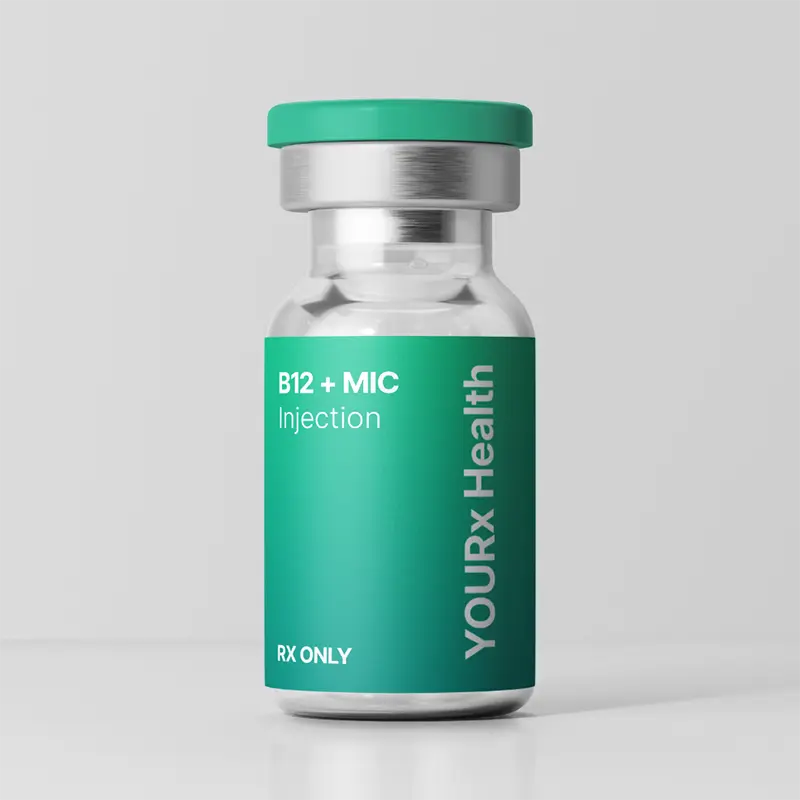
“Mic B12” is a label many shoppers use for B12 injection products. The core idea is consistent: vitamin B12 is delivered directly (usually intramuscular) so it can bypass some absorption barriers that affect oral supplements.
Who it might fit best:
- People with lab evidence of B12 deficiency or low/low-normal B12 status.
- People who struggle to absorb nutrients (for example, certain digestive conditions) and who may have been advised injections.
- People who are trying to avoid daily pills or who prefer a clinician-guided injection schedule.
Who it might not fit as well:
- If your symptoms are caused by something else (sleep problems, iron deficiency, thyroid issues, stress, anxiety, medication side effects).
- If you don’t have a confirmed B12 issue and you’re aiming for “general wellness” results. In that case, injections may not produce noticeable changes and could still create unnecessary exposure.
- If you can’t safely administer injections or you’re unsure about product legitimacy and sterility.
Practical Benefits and Where It Falls Short
In consumer terms, people usually expect one or more of these outcomes:
- More “usable energy” (less fatigue or reduced heavy feeling)
- Improved mood clarity (less fog)
- Reduced tingling or nerve discomfort (when B12 deficiency is involved)
- Better lab numbers (B12 level, sometimes methylmalonic acid depending on the test)
Personal experience case (cautious positive): I tried a mic B12 injection course after my doctor ran labs and flagged low-ish B12. I noticed the first subtle change around day 9–12—less “drag” in the afternoon and slightly clearer focus. By the end of the second week, I felt steadier overall. However, I also had to keep correcting other basics (sleep schedule and iron intake). My B12 symptoms didn’t “snap back,” but the trajectory felt gradually better rather than instant.
Where it falls short: Even if your B12 levels were low, symptoms may be slow because nerves and body systems adapt over time. Also, if your deficiency is mild or borderline, you may not feel a dramatic difference after the first injection. Finally, if your symptoms are tied to iron deficiency, vitamin D deficiency, thyroid irregularities, stress overload, or neurological causes unrelated to B12, injections won’t fix the real driver.
Personal experience case (negative / failure-to-notice): A friend of mine started mic B12 injections based on how she felt (fatigue and brain fog) rather than confirmed deficiency. She did a first course and expected a quicker transformation. After 10–14 days, she reported no meaningful improvement. When she later got proper labs, her B12 was not truly deficient; her fatigue was more consistent with iron deficiency and sleep fragmentation. The injections were not a “bad choice” in a vacuum, but in her case, they didn’t align with the actual cause, so the timeline felt like a failure.

What Research Suggests and What It Doesn't
Research generally supports that vitamin B12 supplementation—oral or injected—can improve biochemical markers when B12 deficiency is present. Injections can be particularly helpful when absorption is impaired. But research doesn’t always translate into one simple symptom timeline you can rely on.
What seems likely:
- If you truly have B12 deficiency, your body may begin responding quickly at the lab level after supplementation.
- Symptom improvement—especially nerve-related symptoms—often takes longer than many people expect.
What’s less certain:
- The “first noticeable day” varies widely. Some people report earlier changes; others feel nothing until later or only see improvement after the full course.
- Many studies focus more on lab outcomes than on subjective symptom timelines, so “how long it takes to work” can’t be universally pinned down.
- If symptoms are driven by factors like iron deficiency, thyroid disease, or chronic stress, B12 therapy won’t fix those root causes.
Safety emphasis: B12 is generally well-tolerated, but injections can cause site reactions (pain, redness). Also, there are scenarios where supplementation could be inappropriate without confirming the cause of your symptoms. If you have anemia type uncertainty, neurological symptoms that are progressing, or other complex medical history, don’t treat symptom relief as the only indicator—use medical testing.
Ingredients, Formats, and Quality Signals
When you search “mic B12 injections,” you may see variations in:
- Form of B12: cyanocobalamin, methylcobalamin, hydroxocobalamin (product listings differ).
- Strength: the micrograms or milligrams per dose can vary significantly across brands.
- Delivery format: usually intramuscular injections, sometimes guided subcutaneous administration depending on the product and clinician advice.
- Packaging: prefilled syringes vs. vials, plus whether supplies (needles, alcohol swabs) are included.
Product forms commonly seen in the “mic B12” conversation:
- Single-dose injection vials (often clinician-administered)
- Prefilled injection syringes (consumer convenience, still ideally clinician guidance)
- Injection kits (may include needles/syringes and instructions)
Quality signals to look for (practical consumer checklist):
- Clear labeling of B12 form and exact dose per injection.
- Batch/lot information and expiration date on packaging.
- Manufacturing standards and recognizable quality testing (as stated on the product page or packaging).
- Professional-grade handling instructions (storage conditions, how to prepare, what to do if compromised).
- Transparent sourcing and non-misleading marketing. If a listing promises dramatic “cures” or instant results, that’s a red flag.
Comparison of Common Options
| Format | Typical Dose/Use | Pros | Cons | Cost | Best For |
|---|---|---|---|---|---|
| Mic B12 injections (IM) | Varies; commonly scheduled courses or clinician-guided dosing | May bypass some absorption issues; convenient if you dislike daily pills | Requires needles/handling; site reactions possible; timeline varies by cause | Often higher per dose than oral | Confirmed deficiency or absorption concerns |
| High-dose oral B12 | Often 500–1000+ mcg daily (product dependent) | No needles; easy to stop/change; widely available | May be less effective if absorption is significantly impaired | Usually lower cost | Borderline or mild deficiency; people who can absorb well |
| Sublingual B12 | Commonly 250–1000 mcg/day (product dependent) | Similar convenience to oral; may feel easier for some | Not always superior to oral; evidence depends on context | Mid-range | People who prefer non-injection options |
| Oral “complex” formulations (B12 + folate + B-complex) | Varies; typically daily | Supports broader B-vitamin intake; may help if multiple deficiencies exist | Harder to pinpoint what’s helping; folate can mask certain anemia issues if misused | Mid-range to higher | Diet-related or multi-nutrient gaps (with appropriate guidance) |
| Supportive dietary changes only (no B12 supplement) | Depends on diet | No supplement handling; supports overall nutrition | May be too slow; may not address absorption problems | Variable | Mild insufficiency when diet can be improved quickly |
Buying Framework and Red Flags
If you’re shopping with the goal of figuring out “how long it takes for mic B12 injections to work,” treat the purchase like a structured decision, not an impulse buy.
Checklist (use before you start):
- Do I have recent labs (or a clinician opinion) suggesting B12 deficiency or borderline status?
- Is the product clearly labeled with the B12 form and exact dose per injection?
- Is the storage guidance clear (e.g., refrigeration requirements)?
- Do I understand who should administer it (self vs clinician) and how sterility is protected?
- Is the schedule realistic (a single injection is rarely enough for long-term symptom change)?
- Am I also screening for other common causes (iron deficiency, thyroid issues, low folate, sleep problems)?
- Are the marketing claims conservative? If it promises guaranteed results or “instant cure,” skip.
Red flags that should stop you:
- Vague dosing (“B12 blend” without numbers)
- No lot/batch/expiration details
- Exaggerated efficacy claims (“works in 24 hours” for everyone)
- Unclear sterility/handling instructions
- Any indication the product is being sold without basic quality transparency
Common Mistakes and How to Avoid Them
- Mistake: Expecting instant symptom “miracles.” B12-related improvements can be gradual, especially if nerve symptoms are involved or if deficiency has been present for a while.
- Mistake: Starting without labs. If B12 isn’t the issue, you may spend money and time with little benefit. Use injections for the right reason.
- Mistake: Ignoring other deficiencies. Iron deficiency and vitamin D deficiency are common in young women and can mimic B12 symptoms.
- Mistake: Changing multiple variables at once. If you adjust sleep, diet, stress support, and supplements simultaneously, it’s hard to interpret whether B12 helped.
- Mistake: Skipping side-effect tracking. Keep notes on injection site reactions, headaches, nausea, skin changes, or worsening symptoms—and stop and seek care if needed.
- Mistake: Combining without thinking. Some people stack B12 with other supplements and assume it’s always fine. It can be okay, but not automatically—especially if you have medical conditions or take prescription medications.
FAQ
Is it proven that mic B12 injections work for fatigue when B12 is low?
Evidence supports that B12 supplementation can improve biochemical markers when deficiency exists. However, fatigue has many causes, so improvement for “fatigue” depends on whether B12 deficiency is truly part of the problem. In consumer terms, some people notice changes within 1–2 weeks; others need a longer course or discover a different root cause.
How long does it take for mic B12 injections to work for noticeable symptom changes?
For many people, early changes are sometimes noticed around the first 1–2 weeks, while more meaningful improvements—especially for nerve-related symptoms—may take longer. If you’re not seeing any change after the full initial course your clinician recommends (or after about 2–4 weeks with careful tracking), consider discussing lab results and other causes rather than assuming the injections are ineffective.
What side effects should I watch for after mic B12 injections?
Common injection-related issues include soreness, redness, or mild swelling at the injection site. Some people report headaches or mild digestive upset. Stop and seek medical advice for severe reactions (rash with swelling, breathing trouble, persistent severe symptoms) or if your neurological symptoms are worsening.
Can I combine mic B12 injections with oral supplements or other B vitamins safely?
Many people combine B12 with other supplements, but it’s not one-size-fits-all. If you’re taking folate, iron, or multiple B-complex products, check labels to avoid doubling doses unnecessarily. If you take prescription medications or have known health conditions, ask a clinician before stacking high doses.
Oral B12 vs injection: which one is better and how does it affect how long results take?
If absorption is impaired, injections may be more effective and can produce earlier biochemical improvements for some people. If absorption is normal, high-dose oral B12 can be effective too. “How long results take” varies by deficiency severity, cause, and symptom type—so the better option depends on your situation rather than a universal rule.
A Practical 2-Week Experiment Framework
If you’re trying to answer “how long does it take for mic B12 injections to work,” your best tool is a simple, cautious tracking plan.
Day 0 (setup): Write down baseline symptoms (fatigue level, brain fog, tingling/nerve discomfort, mood clarity), plus sleep hours and any recent iron or thyroid treatment changes.
Days 1–3: Expect possible injection site soreness. Track any side effects and keep dosage schedule exactly as directed.
Days 4–7: Look for subtle trends: steadier energy, fewer afternoon crashes, improved focus. Don’t judge based on one good hour—use overall daily averages.
Days 8–14: You’re mainly assessing direction: Are symptoms trending down (better) or staying flat? If you have nerve symptoms, note whether they’re improving, unchanged, or worsening. If there’s no direction at all, consider re-checking the cause (and whether B12 is the right target).
What “success” looks like in a realistic consumer review: a gradual trend improvement, not a dramatic overnight transformation. What “failure” looks like: no trend improvement after the initial course timeframe, or symptom worsening/side effects that make you reconsider the approach.
About the Author
Author: Maya Thompson, an independent wellness reviewer and lab-informed consumer writer with experience documenting supplement routines and injection experiences over multiple cycles (including tracking energy, mood clarity, and side effects). Maya’s review approach is cautious and evidence-aware: she prioritizes ingredient transparency, symptom trend logging, and clinician-aligned decision-making rather than “instant results” narratives.
Disclaimer: This article is for informational purposes only and does not diagnose, treat, or cure any condition. If you have severe symptoms, progressive neurological issues, or you suspect a medical deficiency, consult a qualified healthcare professional and follow their recommended testing and dosing plan.
Discussion