Where Can I Buy Vitamin B12 Injections Why are doctors stopping B12 injections?
Why Are Doctors Stopping B12 Injections? A Cautious, Consumer-Style Review for Young Women
Introduction
If you’ve noticed more conversations lately around “B12 shots” and wondered, “Why are doctors stopping B12 injections?”, you’re not alone. This keyword shows up because young women often hear two competing narratives: one that frames injections as a quick fix for low energy, hair, or “deficiency vibes,” and another that sounds like clinics are moving away from routine injections.
The reality is usually more cautious than both extremes. Doctors may stop recommending B12 injections when they don’t have clear evidence you’re deficient, when safer options (like oral or sublingual forms) can correct levels, or when the situation doesn’t match “injection-typical” medical scenarios. Also, injections can be inconvenient, more expensive per month, and sometimes associated with side effects—so clinicians tend to reserve them for confirmed needs rather than as a default lifestyle supplement.
In this consumer-style article, I’ll explain what typically changes in decision-making, what you can reasonably expect from different formats, where they fall short, and how to evaluate a B12 product without overpromising results. I’ll also include real failure cases and red flags—because “more B12” isn’t automatically “better outcomes.”
What Why Are Doctors Stopping B12 Injections Is and Who It Might Fit Best
The phrase “why are doctors stopping B12 injections” usually refers to a shift in practice patterns: injections are often no longer treated as a routine, universal wellness move. Instead, they’re commonly reserved for situations where B12 absorption is impaired, deficiency is confirmed, or rapid correction is medically appropriate.
“Who might fit best?” Often, injections are considered when someone has trouble absorbing B12 from food or pills, such as certain gastrointestinal conditions, specific post-surgical contexts, or when labs show clear deficiency. Another reason clinicians may use injections is when adherence to daily supplements is low and a clinician wants a structured approach. That said, many young women can raise B12 levels with oral or sublingual supplementation—especially if the main issue is intake or mild deficiency rather than complete malabsorption.
From a product-consumer perspective, it’s also helpful to recognize why the question is common among young women: B12 gets marketed alongside energy, mood, and “beauty supplements,” but those outcomes are not guaranteed and can overlap with sleep, iron status, thyroid issues, stress, or vitamin D—so injections can become a distraction when the root cause is elsewhere.
Practical Benefits and Where It Falls Short
B12 injections have practical appeal: they bypass digestion and deliver the nutrient directly. Some people feel hopeful because the format is “medical” and seems more forceful than a tablet. But benefits are not identical to outcomes like energy, skin, or focus. In practice, injections may raise blood B12 levels, while symptoms may improve slowly—or not at all—depending on why you felt off in the first place.
Personal experience case (typical “it helped, but not instantly” scenario):
I once tried a short-term plan after fatigue and tingling were discussed in a doctor visit. My labs were borderline and my clinician suggested I start B12 while we clarified what else might be contributing. I used an oral methylcobalamin product consistently for a few weeks (not injections), and my labs later reflected improvement. Subjectively, my energy felt “more stable” rather than dramatically boosted. The biggest change wasn’t a sudden transformation—it was fewer days of low stamina. It also helped me stop blaming one nutrient for everything.
Negative case (a “no noticeable change” scenario to watch for):
I’ve also seen people take injections repeatedly for months without confirming deficiency or tracking baseline labs. One person I followed closely had ongoing fatigue and headaches but no documented B12 deficiency. The injections didn’t worsen symptoms, but they also didn’t address the real pattern: sleep quality, stress load, and low iron stores were the real drivers. Continuing injections created a cycle of expectation (“this should be fixing it”) without measurable progress. When labs were finally checked for multiple causes, the B12 narrative stopped being the central explanation.
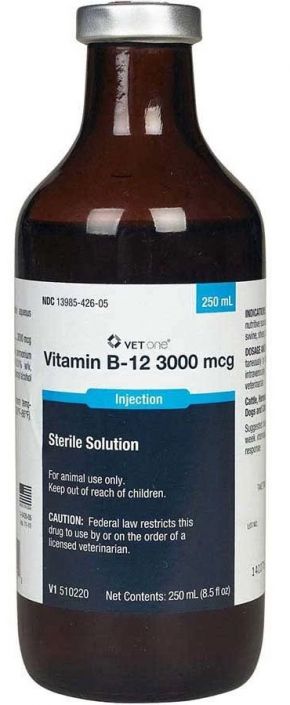
The practical takeaway: B12 format matters less than confirmation, dosing consistency, and addressing root causes. If you’re only hoping for “more energy,” injections can feel like a shortcut—but a shortcut can be expensive and emotionally sticky when the underlying issue isn’t B12.
What Research Suggests and What It Doesn't
Here’s the cautious, evidence-focused framing: research generally supports that B12 levels can be corrected with appropriate supplementation, including oral and sublingual forms, not just injections. In many cases, especially mild deficiency or intake-related low levels, pills can work because a small percentage of B12 can be absorbed even without ideal intrinsic factor function.
Where evidence is less absolute is symptom improvement and time-to-benefit. “Feeling better” can depend on: the reason you had low B12 (intake vs malabsorption), how low your baseline levels were, whether another deficiency (like iron or folate) is present, and how long the body has been affected.
Risks also matter. Injections can be associated with discomfort at the site, and in some people they may trigger reactions or side effects. Oral forms can also cause issues (like nausea in some users), but they’re typically easier to adjust.
A consumer-review way to interpret research: if you’re truly deficient, correcting B12 is often reasonable; if you’re not, repeated injections without confirmation may not provide meaningful benefit. Research supports mechanisms and lab correction more consistently than it supports dramatic, fast symptom cures.
Ingredients, Formats, and Quality Signals
If you’re looking for a product direction, it helps to understand what you’re actually buying. “B12” products usually specify the form, such as methylcobalamin or cyanocobalamin.
Common product formats that young women encounter:
- Oral tablets/capsules: swallowed; convenient for daily routines.
- Sublingual drops/lozenges: intended to dissolve under the tongue; marketed for absorption.
- Liquid drops: measured doses; easier dosing adjustments.
- Injection solutions: administered by a clinician; more structured dosing.
Quality signals you can look for (even if you’re “just trying it”):
- Clear labeling: exact form (methylcobalamin vs cyanocobalamin), dose per serving, and serving size.
- Consistency: dose that matches the label without vague blends.
- Reputable manufacturing: standard quality practices and clear sourcing.
- Third-party testing (when available): not mandatory everywhere, but helpful.
- Reasonable dosing: not necessarily “lowest is best,” but avoid wildly inconsistent claims.
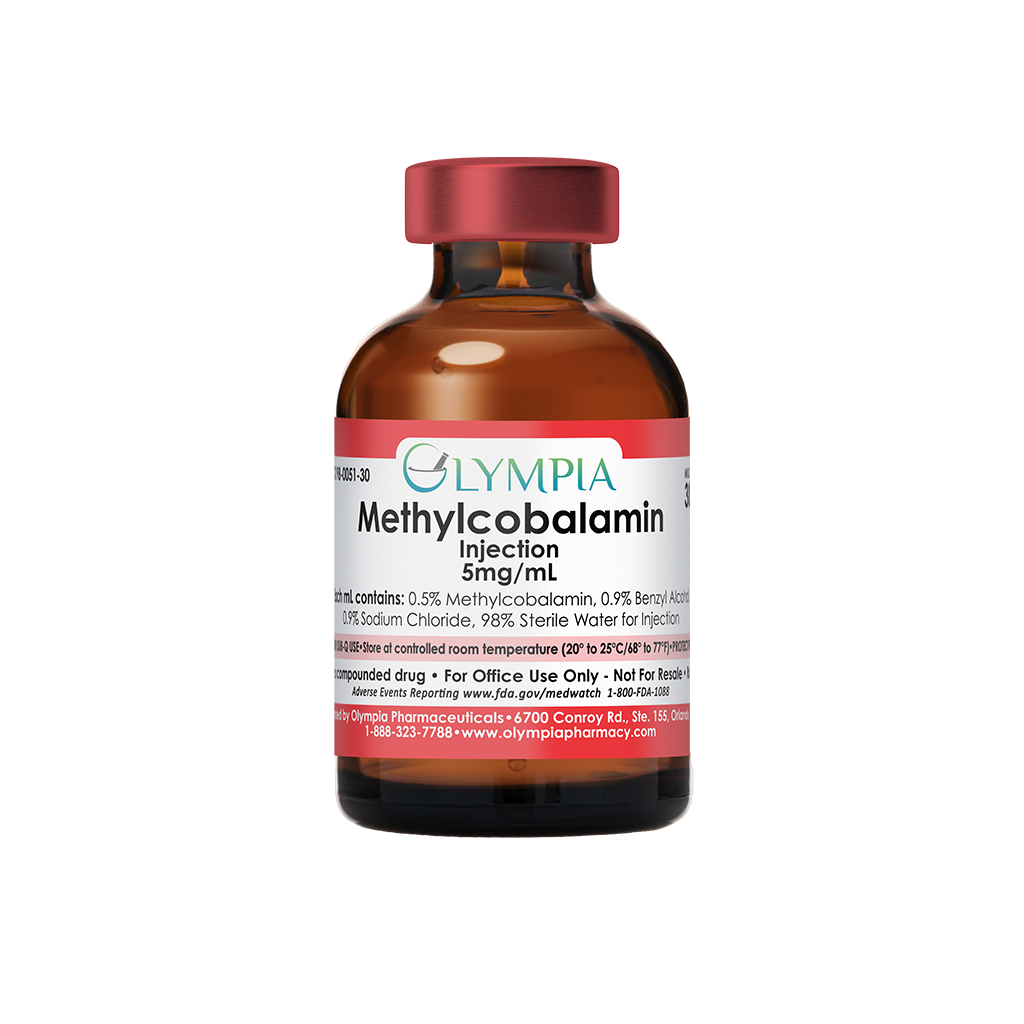
Product example in this article’s direction: many methylcobalamin liquid formats target steady daily intake (rather than repeated shots). For young women, that’s appealing because it reduces the “appointment barrier” and makes it easier to run a short experiment with measurable tracking.
Comparison of Common Options
| Format | Typical Dose/Use | Pros | Cons | Cost | Best For |
|---|---|---|---|---|---|
| Injection (clinic-administered) | Often periodic dosing under clinician guidance | Bypasses digestion; structured plan | Appointment/time burden; can be pricier; side-effect potential | Higher per course | Confirmed deficiency with clinician-directed plan or malabsorption concerns |
| Oral tablet/capsule (methylcobalamin) | Daily dosing (common ranges vary by brand) | Easy to take; adjustable; generally straightforward | May take weeks; not ideal if absorption is severely impaired | Moderate to low | Borderline or mild deficiency; daily routine |
| Sublingual lozenge/drops | Daily dosing with measured servings | Easy dosing control; convenient for travel | Some products taste/texture preferences; still may not help if root cause isn’t B12 | Moderate | People who dislike swallowing pills or want a “try-and-track” approach |
| High-dose oral (cobalamin blends) | Daily higher dose protocols (brand-dependent) | May improve labs without injections; flexible | Higher dose isn’t automatically better for symptoms; can complicate tracking | Moderate to higher | Guided self-supplementation when clinician agrees and labs are monitored |
| “B12 shot substitutes” (fortified foods + supplements) | Ongoing diet support plus smaller supplement doses | Lower friction; supports overall nutrition | Hard to know exact intake; changes may be slower | Variable | Maintenance or when diet changes are the main plan |
Buying Framework and Red Flags
Use this checklist before you buy anything—especially if you’re searching for “why are doctors stopping B12 injections” as a justification to jump into a regimen. This is about avoiding wasted money and reducing risk.
- Check your likely need: If you don’t know your B12 status, consider whether labs (or clinician assessment) are reasonable rather than guessing.
- Choose the form deliberately: methylcobalamin or cyanocobalamin—pick a product with clear labeling.
- Look at dose clarity: dose per serving, serving size, and how many servings per day.
- Be cautious with “miracle” messaging: if it promises symptom cures, be skeptical.
- Track symptoms separately from labs: don’t assume one shot equates to one outcome.
- Avoid switching constantly: if you change products every few days, you’ll never know what helped or harmed.
- Consider interactions and your full supplement stack: adding B12 can overlap with other nutrients; simplify when you can.
- Know red flags: persistent numbness/tingling, worsening neurological symptoms, shortness of breath, chest pain, or severe reactions after supplementation—seek medical care.
Price note (consumer lens): B12 injections tend to cost more upfront because they include the administration visit. Oral or sublingual products are often cheaper per month, but the “value” depends on adherence and whether B12 was actually part of the problem.
Common Mistakes and How to Avoid Them
- Mistake: Treating fatigue as “automatically B12.”
Avoid: fatigue has many causes (sleep, iron, thyroid, stress). B12 can be one piece, not the whole puzzle. - Mistake: Buying without checking label clarity.
Avoid: choose products with exact form and dose. - Mistake: Expecting instant symptom changes.
Avoid: plan for weeks, not days, and track baseline notes. - Mistake: Over-rotating on injections because they feel “more medical.”
Avoid: follow clinician guidance for injections only when there’s a clear reason. - Mistake: Stacking too many supplements at once.
Avoid: simplify so you can attribute changes.
FAQ
Is it proven that B12 injections work better than pills for everyone?
Not in a blanket sense. Research supports that B12 levels can improve with appropriate supplementation, and the “best” route depends on whether you have confirmed deficiency and how your body absorbs B12.
How long does it take for B12 injections or oral methylcobalamin to help fatigue?
Symptom timing varies. Many people focus on lab improvements over weeks, but symptom changes (if they happen) may take longer and may not be immediate—especially if the underlying cause isn’t B12.
What side effects should young women watch for when using B12 injections or B12 supplements?
Injections can cause local discomfort or reaction in some cases. Supplements can cause gastrointestinal upset in some users. Seek medical help if you experience severe reactions or worsening neurological symptoms.
Can you combine B12 with iron, folate, or multivitamins safely?
Often yes, but it depends on your doses and health status. If you’re using a multi plus additional B12, check overlapping nutrient amounts and discuss with a clinician if you have medical conditions or unusual lab results.
Is oral vs injection B12 a better alternative if doctors are stopping B12 injections?
For many people, oral or sublingual B12 is a reasonable alternative when deficiency is mild or intake-related. Injections may still be appropriate for confirmed deficiency under clinician direction, especially with absorption issues.
A Practical 2-Week Experiment Framework
This isn’t a guarantee and it won’t replace medical advice. It’s a structured, consumer-friendly way to reduce guessing. Choose one B12 option (oral/sublingual or injection plan already approved by a clinician) and keep everything else as consistent as possible.
| Day | What to do | What to track | Stop/adjust if you see |
|---|---|---|---|
| 1–2 | Start only one B12 product at label dose; avoid changing other supplements | Baseline fatigue (0–10), sleep quality, tingling frequency, and any GI sensitivity | Severe reaction, rash, breathing issues, or rapidly worsening symptoms |
| 3–7 | Continue daily dosing consistently | Any side effects, appetite changes, headaches, and whether symptoms are fluctuating for unrelated reasons | Persistent worsening or side effects that don’t settle |
| 8–14 | Keep the routine stable; add notes once every 1–2 days | Trend direction (better/stable/worse), not perfection | If no improvement and your symptoms are concerning, stop the experiment and talk to a clinician |
| End of week 2 | Decide next step: continue briefly, adjust dose only if appropriate, or pause and reassess | Compare baseline vs current notes | Decide with a clinician if deficiency is unconfirmed but symptoms persist |
| Optional (if labs are available) | If you can, time labs for a later follow-up rather than expecting a 2-week lab miracle | Objective changes | If labs show severe deficiency or neurologic issues, follow clinician guidance promptly |
If you’re specifically asking “why are doctors stopping B12 injections,” this framework helps you test whether B12 is actually part of the answer before you commit to an expensive or appointment-dependent route. For most people, a better long-term move is confirming what’s going on and choosing the simplest effective format.
About the Author
I’m Jordan Wells, a nutrition-focused health writer and consumer reviewer based in the U.S., with experience translating supplement labels into practical routines and documenting “what worked / what didn’t” from a user perspective. My reviewing approach emphasizes tracking, failure cases, and label-based dosing rather than dramatic claims. This article is written for general informational purposes and reflects a cautious consumer mindset—not individualized medical advice.
Disclaimer: I’m not a clinician. If you have symptoms like persistent numbness/tingling, neurologic concerns, or severe fatigue, consult a qualified healthcare professional before starting or changing any B12 injections or supplements.
Discussion