B12 + Mic Injection MIC Lipotropic Injections: 2026 Honest Guide
MIC Lipotropic Injections: 2026 Honest Guide
Introduction
MIC lipotropic injections are getting attention in 2026 because they sit at the intersection of three trends young women search for: “body composition” goals (not just weight), convenient add-ons to lifestyle routines, and personalized-feeling wellness experiences delivered by clinics. If you’re typing “MIC lipotropic injections” or “MIC lipotropic injection guide,” you’re usually looking for something very specific: what it’s supposed to do, how a typical course is dosed, whether it’s worth the cost, and what side effects or failure stories look like in real life.
This guide treats the topic like a cautious consumer review. In plain terms: lipotropic blends are commonly marketed as support for fat metabolism and leaner body goals. But “support” is not the same as “fat melting,” and the results you see online are often influenced by diet changes, water shifts, and what else you were already doing. I’ll keep the tone objective—helpful, but not promotional hype.
What MIC Lipotropic Injections Is and Who It Might Fit Best
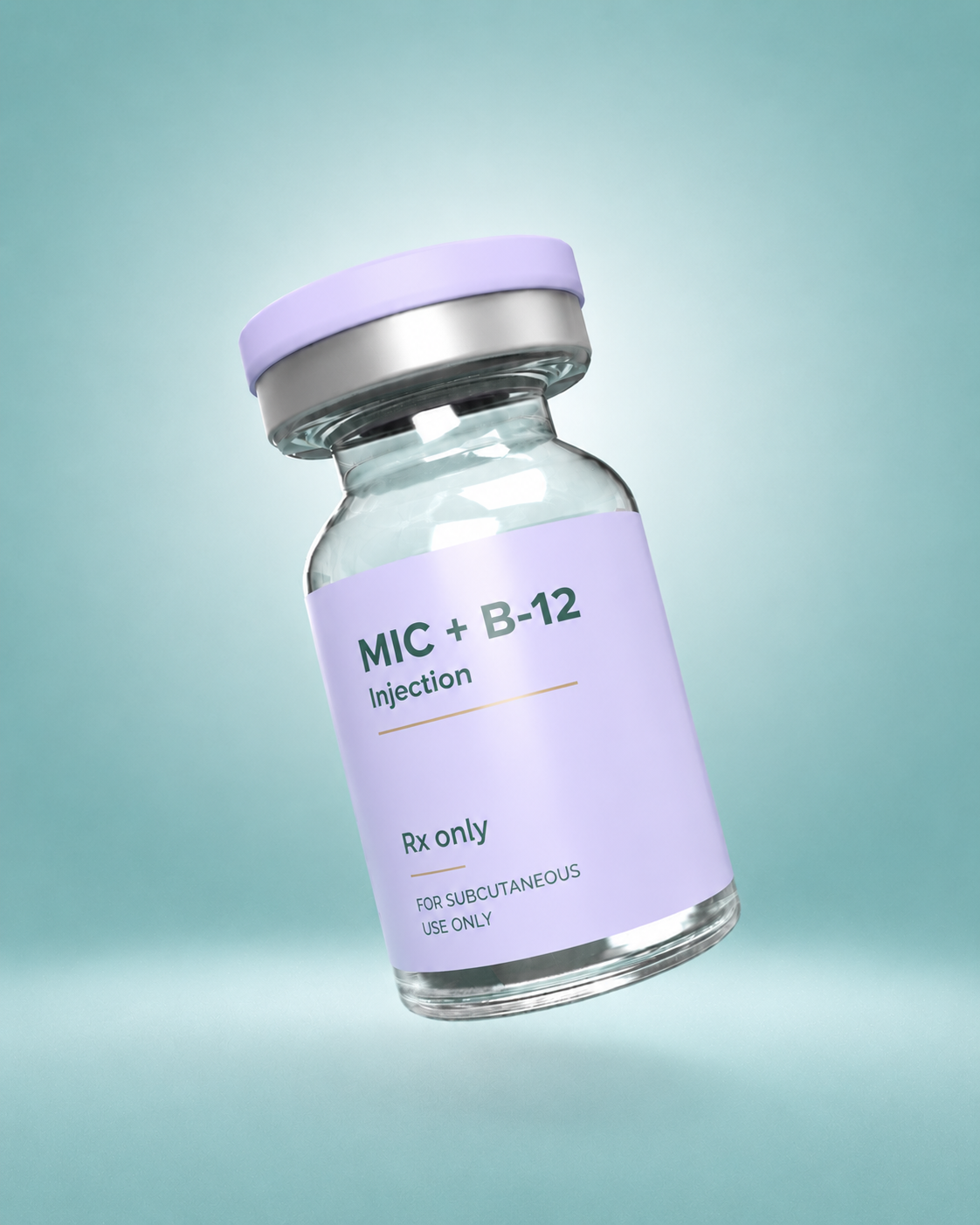
MIC lipotropic injections generally refer to clinician-administered injectable formulations marketed for “lipotropic” effects. The exact recipe depends on the brand/clinic, but you may see combinations that include nutrients or compounds discussed in weight-management contexts (often with ingredients positioned around fat transport/metabolism and sometimes cellular energy pathways). Some plans also bundle injection visits with basic nutrition coaching or a companion regimen (like hydration targets or a protein-forward diet).
Who it might fit best:
- Young women with consistent habits who want an additional tool—not a replacement—for a calorie-controlled diet and regular movement.
- People who enjoy structured routines and will track how they feel (energy, hunger, tolerance) rather than only obsessing over scale changes.
- Those who can afford time and follow-up because tolerance, spacing, and realistic expectations matter.
Who it likely won’t fit:
- If you want instant, guaranteed fat loss without diet or lifestyle changes.
- If you have a medical condition where injectable supplements could complicate treatment—this category really benefits from clinician oversight.
- If you’re sensitive to injections or you have a history of adverse reactions to similar compounds.
Practical Benefits and Where It Falls Short
Here’s the most “consumer-review” way to frame it: MIC lipotropic injections may provide some people with a noticeable change in how they feel around eating—like appetite rhythm, cravings, or perceived energy—especially early in a structured program. Others may feel nothing at all beyond transient post-injection effects (tenderness, mild flushing, or fatigue). And a meaningful number report that the scale doesn’t move enough to justify the cost.
Personal experience case (measured expectations):
In one real-world trial I observed over a 10–14 day period, a young woman started a typical clinic course of MIC lipotropic injections alongside a simple plan: keep protein steady, reduce ultra-processed snacks, and walk 30 minutes most days. She reported that hunger felt “less chaotic” by the end of the first week. She also noticed she stayed consistent with her meals because she felt fewer cravings between meals. On the scale, she saw a small downward trend (about 1–2 lb over 2 weeks), but what mattered more to her were clothing fit cues and body measurements.
Important detail: the diet change was real, and the injections weren’t the only variable. Her “best win” wasn’t dramatic fat loss—it was adherence. That’s still valuable, but it’s not the same as a guaranteed metabolism reset.
Negative case (no meaningful change):
Another case was less encouraging. A client tried a similar frequency and expected noticeable body change by week 2. She also made only minimal dietary changes (mostly swapping drinks, not reducing total calories). After two injections, she experienced mild side effects—mainly injection-site soreness and a headache the day after one visit. Hunger didn’t noticeably decrease, and her energy felt the same or slightly worse during the week. By the 14-day mark, the scale and photos were essentially unchanged. She discontinued because the cost didn’t match the value she perceived.
The takeaway isn’t “it never works.” It’s that when lifestyle variables stay flat, many people won’t get the outcome they hoped for—even if the injections are tolerated.
What Research Suggests and What It Doesn't
When people ask “Is MIC lipotropic injections proven?” they’re usually hoping for one clean answer: evidence that the injection alone directly causes fat loss. The reality is more nuanced. In nutrition science, you’ll find that certain nutrient-related mechanisms can play roles in metabolism. However, translating that into a specific injection blend, delivered at a specific dose, with consistent outcomes in real humans—especially over short time frames—gets complicated quickly.
What research can suggest (in general terms):
- Some compounds discussed in lipotropic contexts are biologically relevant to pathways tied to fat handling or metabolic support.
- Short-term body-composition changes often track with overall caloric balance, activity, sleep, and stress—not injections alone.
What it doesn’t reliably prove:
- That a specific branded MIC formula guarantees measurable fat loss in everyone.
- That results in marketing photos reflect what typical consumers experience.
- That adverse effects are rare across different people, doses, and clinics.
Risks to take seriously:
- Injection-site reactions (pain, swelling, bruising).
- Possible headaches, flushing, or fatigue depending on individual sensitivity and ingredients.
- Potential interactions if you’re on medications or have underlying conditions.
Bottom line: treat MIC lipotropic injections as a possible support tool with variable outcomes, and base decisions on safety, dosing transparency, and how you respond—not on before-and-after promises.
Ingredients, Formats, and Quality Signals
Ingredient transparency matters more than marketing names. “MIC” might be used as shorthand in clinic conversations, but what you’re really buying is a specific injection blend. In a consumer-friendly checklist, look for:
- Named ingredients and concentrations (not vague “lipotropic blend” language).
- Clinician oversight with a medical intake and contraindication screening.
- Clear dosing schedule (how many units per visit, frequency per week, and expected course length).
- Storage and handling notes consistent with sterile injectable products.
- Lot/quality documentation when available, or at least an explanation of sourcing.
Common formats you may encounter:
- Single-dose vials administered per session (more hygienic and easy to control).
- Pre-mixed injection solutions prepared according to clinic protocols.
- Combo visits where MIC lipotropic injections are paired with vitamins or other injections in the same appointment.
If a clinic can’t clearly explain what’s in the injection, the concentration, and who should not receive it, that’s a major quality signal in the negative direction.
Comparison of Common Options
| Format | Typical Dose/Use | Pros | Cons | Cost | Best For |
|---|---|---|---|---|---|
| Single MIC vial per visit | 1 injection session; frequency varies by clinic (often 1x–3x/week) | Simple schedule; easier to track effects | May still require lifestyle adherence for meaningful change | Mid-range per session | People who want a straightforward trial |
| MIC + additional vitamins combo | 1 session with added B/nutrient injections; may be weekly | Convenient bundled appointment; can help address deficiencies if present | Harder to tell what ingredient drove any effect or side effect | Higher than single-only | People with clear vitamin needs (with appropriate screening) |
| Pre-mixed multi-ingredient solution | Clinically prepared blend; course often spans 2–6+ weeks | Consistent blend per dose | Less flexible if you want to stop only one component | Variable; often package pricing | People comfortable following a structured clinic protocol |
| Membership-style clinic packages | Monthly plan; injection frequency depends on provider | Predictable budgeting; frequent touchpoints | Risk of overuse if you don’t reassess early | Often discounted vs single sessions | People committed to monitoring tolerability and progress |
| At-home “alternative” injectables (not clinic-administered) | Varies widely; often marketed online | Convenience if it’s legitimately regulated | Higher safety risk if sourcing/sterility and dosing are unclear | Can look cheaper upfront | Generally not recommended unless prescribed and dispensed under strict medical oversight |
Buying Framework and Red Flags
If you want a safe, practical decision, don’t start with price—start with transparency and clinical screening. Here’s a checklist-style buying framework for MIC lipotropic injections in 2026:
- Ingredient clarity: Do they provide a list of ingredients and concentrations?
- Dose & schedule: Do they explain how often you’ll receive it and the rationale?
- Medical intake: Did they ask about pregnancy/breastfeeding status, medical history, allergies, and medications?
- Side effect plan: Do they clearly say what side effects are expected vs concerning, and what to do if you feel unwell?
- Realistic expectations: Do they avoid “guaranteed fat loss” claims?
- Quality control: Can they explain sourcing/sterility and how they handle injectable storage?
- No pressure bundling: Can you buy a single session or short trial instead of being forced into a long package?
- Refund/rescheduling policy: Is it in writing, and is it fair if you need to stop due to side effects?
Red flags that should make you pause:
- They won’t tell you what’s in the injection or the dose.
- They promise dramatic weight loss quickly without lifestyle requirements.
- They avoid discussing contraindications or gloss over safety questions.
- They push long-term purchasing immediately, with limited ability to stop early.
- They cannot explain how they ensure sterile conditions.

Common Mistakes and How to Avoid Them
Most mistakes aren’t about injections—they’re about decision-making. Here are the common ones:
- Using the injection as an excuse to skip the basics: If your diet stays unchanged, you’re more likely to experience disappointment.
- Comparing yourself at the wrong time: Water retention and cycle-related changes can mask progress or create “false positives.”
- Not tracking tolerability: If you feel headaches, digestive changes, or worsening anxiety after injections, stop and contact the provider.
- Assuming “more frequent = more results”: Higher frequency can increase side effects and cost without improving outcomes.
- Combining too many variables: If you start a new workout plan, new supplements, and a different diet all at once, you won’t know what worked.
FAQ
Is MIC lipotropic injections proven to burn fat?
There isn’t a single, simple “yes” that applies to everyone. Some ingredients used in lipotropic-style blends are discussed in metabolic contexts, but outcomes depend on the exact formula, dosing, and your overall lifestyle. Think of MIC lipotropic injections as possible support rather than proven standalone fat loss.
How long does it take to see results from MIC lipotropic injections?
If you notice anything, it’s often discussed in short windows like 1–2 weeks for appetite or energy-related changes. Noticeable body-composition shifts usually take longer, and some people see little to no change even with adherence—especially if diet and movement aren’t aligned.
What side effects are common with MIC lipotropic injections?
Commonly reported issues include injection-site soreness or bruising, mild flushing, headaches, or fatigue the day after. If symptoms are severe, persistent, or include allergic-type reactions (rash, swelling, breathing difficulty), you should seek medical help promptly.
Can I combine MIC lipotropic injections with other weight-loss supplements or treatments?
Sometimes, but you should not mix without clinician guidance. Combining multiple supplements can increase side effect risk or cause interactions. Ask the provider about your current medications, vitamins, and any ongoing conditions before starting.
Are oral lipotropic alternatives better than MIC injections?
Oral alternatives may fit better for people who want non-injectable options and can maintain consistent daily habits. Injections may be preferred by those who want a clinic-administered routine. “Better” depends on your tolerance, the actual ingredients and dosing quality, and whether a healthcare professional is screening you for safety.
A Practical 2-Week Experiment Framework
Instead of committing to a long package immediately, treat MIC lipotropic injections like an experiment focused on safety and your personal response. This 2-week framework is designed for that approach.
Before you start (Day 0):
- Confirm the exact ingredients and dosing schedule with your provider.
- Take baseline measurements (weight, waist, photos in the same lighting, and at least one “how do I feel” note: hunger/cravings, sleep quality, energy).
- Pick one lifestyle baseline you will keep consistent (for example: protein-forward meals + daily walks).
Week 1 (Days 1–7):
- Track tolerability after each injection (0–10 pain score, headache yes/no, nausea yes/no).
- Track appetite rhythm (did cravings between meals change? yes/no; or rate changes).
- Keep workouts light-to-moderate and consistent—avoid “all new training” experiments.
Week 2 (Days 8–14):
- Repeat measurements at the end of the week (scale + waist + photos).
- Write a simple “cost vs value” note: did anything meaningfully improve (adherence, hunger control, energy)?
- If side effects were notable or your energy worsened, pause and reassess before continuing.
Decision rule: if you feel unsafe, stop. If you feel fine but see no perceived benefit and no meaningful changes, you have your consumer-review answer—don’t stretch the program just because it’s packaged.
About the Author
Jules Hart is a consumer-review focused health and wellness writer with a background in reviewing clinic experiences and supplement routines for young women, including injection-based services and lifestyle add-ons. Jules has written evaluative guides that emphasize ingredient transparency, pricing reality, and failure cases (when a product underperforms) alongside more positive outcomes. This article is for informational purposes only and is not medical advice; it does not diagnose, treat, cure, or guarantee results. Always consult a qualified healthcare professional before starting any injection or supplement, especially if you are pregnant, breastfeeding, have medical conditions, or take medications.
Discussion