Pay in installments of $5.01 with
 ,
,
 and
and

Shipping Estimate
USA
- USA
- CAN
- USA
- CAN
Ships within 48 hours · Estimated delivery Oct 19 - Oct 24
 Promo Codes Available:
For Your Every Summer RSVP, with Code: SUMMER15
Description
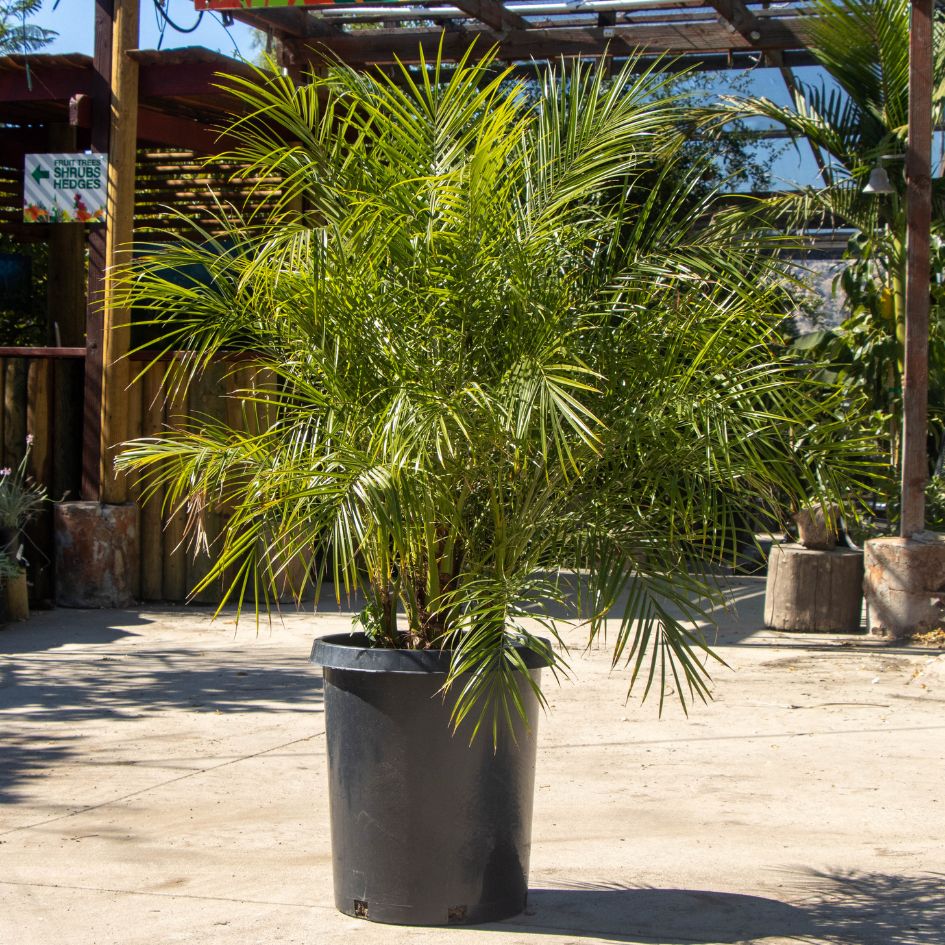
pygmy date palm planting instructions Pygmy Date Palm - Phoenix RoebeleniiPhoenix Roebelenii, commonly known as the Pygmy Date Palm, is a slow growing, small palm species that is popular for its ornamental value. Native to Southeast Asia, it typically reaches a height of 6 12 feet, making it a great choice for small landscapes or indoor planting. The palm has feathery, arching fronds with a fine texture that adds a tropical appeal to any garden or interior space. It is ideal for growing in containers or as a focal point in
Phoenix Roebelenii, commonly known as the Pygmy Date Palm, is a slow-growing, small palm species that is popular for its ornamental value. Native to Southeast Asia, it typically reaches a height of 6-12 feet, making it a great choice for small landscapes or indoor planting. The palm has feathery, arching fronds with a fine texture that adds a tropical appeal to any garden or interior space. It is ideal for growing in containers or as a focal point in the garden.
Growth and Planting Conditions
- Sunlight: Pygmy Date Palms prefer partial shade but can tolerate full sun. When grown outdoors, plant them in areas that receive filtered sunlight or light shade to prevent leaf burn.
- Soil: These palms thrive in well-draining, sandy soils. They are adaptable to a wide range of soil types, as long as the drainage is good.
- Temperature: Phoenix Roebelenii is best suited for USDA Zones 8-11. It can tolerate mild frost but should be protected from extended freezing temperatures.
- Spacing: When planting multiple Pygmy Date Palms, space them about 4-6 feet apart to allow for proper air circulation and root growth.
Watering and Irrigation
- Watering Schedule: Pygmy Date Palms require regular watering, especially when young. Water deeply once a week, allowing the topsoil to dry out slightly between waterings.
- Summer Watering: During hot summer months, increase watering frequency, ensuring that the soil remains moist but not waterlogged.
- Mulching: Apply mulch around the base of the palm to retain moisture and regulate soil temperature. Keep the mulch a few inches away from the trunk to avoid rot.
Fertilization
- Fertilizer Type: Use a slow-release palm fertilizer with a balanced NPK ratio (e.g., 8-2-12 or 10-5-15) that contains micronutrients such as magnesium and iron, which are essential for palm health.
- Application: Fertilize the palm 3-4 times a year, starting in early spring and continuing through late summer. Avoid fertilizing in the fall to prevent new growth during colder months.
Pruning
- Timing: Prune dead or damaged fronds in late winter or early spring before the growing season begins.
- Method: Remove fronds that are yellow or brown to maintain the plant’s appearance and overall health. Be cautious when handling the base of the palm, as it may have sharp spines.
Pest and Disease Control
- Common Pests: Phoenix Roebelenii is susceptible to pests such as spider mites, scale, and mealybugs. Use neem oil or insecticidal soap to manage infestations.
- Disease Prevention: Ensure proper air circulation and avoid overwatering to prevent fungal infections such as root rot or leaf spot. Regular pruning and removing dead fronds will also help maintain the palm's health.
History of the Phoenix Roebelenii (Pygmy Date Palm)
The Pygmy Date Palm, native to Southeast Asia, was introduced to the Western world in the 19th century. It quickly gained popularity due to its compact size, making it an ideal choice for indoor and patio gardening. Its elegant fronds and manageable height have made it a staple in tropical landscaping and as an ornamental feature for homes and public spaces. Although it doesn't produce edible dates like its larger relatives, its graceful appearance has made it a beloved palm variety worldwide.
Shipping Notes
- Free Standard Shipping on $100+ Orders to the USA.
- Except Preorder products are shipped in 48 hours.
- Delivery to the USA:
- Standard Shipping : 3-10 business days
- If time is of the essence, please consider selecting expedited delivery for faster service.
Exchange/Return Notes
- We offer a 30-day return/exchange service after receiving.
- Final sale items are not eligible for returns or exchanges.
- To process your return/exchange, please contact us at [email protected]
- Please click here for more details>>> Return & Exchange Policy