B12 + Mic Injection What do mic B12 injections do?
What Do Mic B12 Injections Do? A Cautious, Consumer-Review Guide for Young Women
Quick positioning: Mic B12 injections are typically sold as a supplemental injection form of vitamin B12. People buy them for “energy” and “wellness” reasons, but vitamin B12 injections mainly help when you’re actually low (or functionally low). This article treats them like a consumer product review: practical, cautious, and non-guaranteed.
Search interest in What do Mic B12 injections do? tends to spike when young women notice symptoms that overlap with B12 deficiency—like persistent fatigue, brain fog, low mood, tingling, or feeling “off” despite sleep and diet efforts. The reason this keyword keeps coming up is simple: many people want a fast, tangible explanation that feels more direct than “just eat more B12.” Injections also sound more precise than oral supplements. But the real question behind most searches is usually: “Will this change anything in my body, and how soon—and is it safe for me to try?”
In the real world, answers vary. Some people feel better after repletion; others feel little; and sometimes the symptoms are driven by something else entirely (iron deficiency, thyroid imbalance, vitamin D issues, heavy menstrual bleeding, stress, sleep quality, or medication effects). A product can be “reasonable” and still not be the right tool for your specific situation.
What Mic B12 Injections Is and Who It Might Fit Best
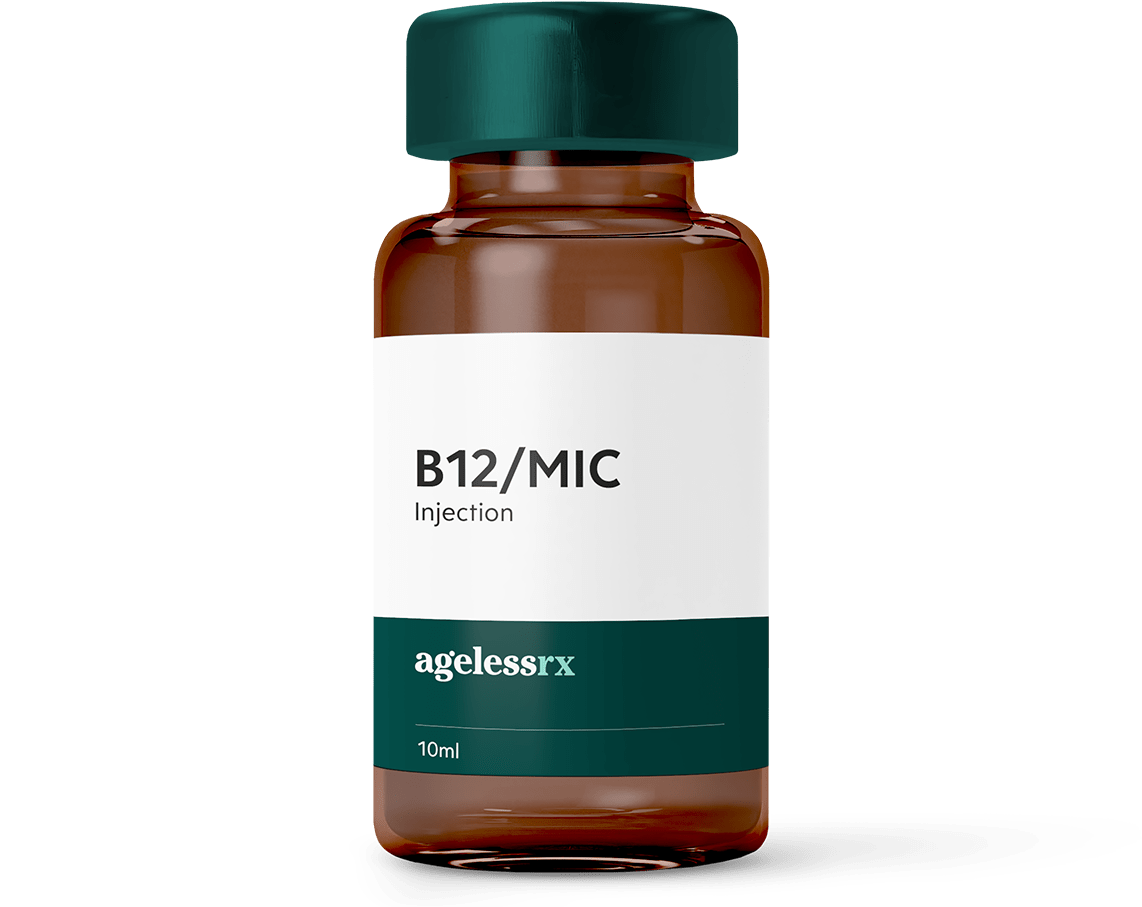
Mic B12 injections generally refer to a bottled injectable vitamin B12 product (often sold in a “mic” branding format). Vitamin B12 is water-soluble and involved in red blood cell formation and neurological function. When your B12 status is low, supporting repletion can help your body restore normal processes.
Who it might fit: Young women who have higher likelihood of low B12 or borderline levels may consider injections more seriously—especially if symptoms are persistent or if they’ve had diet patterns that can lower B12 intake.
- Vegetarians or vegans (without adequate fortified foods or supplementation)
- People with absorption issues (for example, certain GI conditions) or those taking medications that can affect B12 absorption
- Individuals who’ve had labs that show low or borderline B12 (or elevated methylmalonic acid in some contexts)
- Anyone who has tried oral B12 but found it inconsistent, hard to tolerate, or ineffective for their labs/symptoms
Who should be cautious: If you’re not low, injections may not “feel” dramatic because B12 isn’t a stimulant for everyone. Also, tingling, fatigue, or mood changes can have many causes—if you’re ignoring iron deficiency or thyroid symptoms, an injection may not fix the root issue.
Practical Benefits and Where It Falls Short
From a consumer-review perspective, the most credible benefit people describe is less about “instant energy” and more about gradual symptom improvement when B12 is genuinely part of the problem.
Personal experience case (positive-but-cautious): One young woman (mid-20s) started Mic B12 injections after consistent fatigue and “mental slow-down” during a stressful semester. Her diet was mostly plant-based for about a year, and her bloodwork showed borderline B12. She reported noticing a change around the 7–10 day mark: not a wired feeling, but improved stamina and clearer thinking compared with her baseline. She continued for a short planned course (about 2–3 weeks total), and her symptoms steadily tracked better rather than “one big jump.” Her biggest takeaway was that she also corrected sleep timing and reduced caffeine crashes—so she credited the injection as “helpful” rather than the only cause.
Negative case (when it doesn’t help): Another young woman (early 20s) ordered a Mic B12 injection because she wanted a quick wellness boost. She had fatigue too, but her labs were normal for B12. She took it weekly for a month, using the same time of day to avoid randomness. Her report: no meaningful change in energy, and she even felt mildly nauseated after one of the injections (resolved by hydrating and spacing meals). After two months, she realized her real bottleneck was low iron and heavy periods; once iron improved, her energy rose. Her verdict on injections: “It wasn’t harmful enough to stop me immediately, but it also wasn’t the lever I needed.”
Where it falls short: If your symptoms aren’t tied to B12 deficiency, you may spend money and time without much return. Also, even when B12 is low, people can have different response rates depending on how depleted they were and whether other nutrients (like folate, iron) are also off.
What Research Suggests and What It Doesn't
Here’s the most grounded summary: vitamin B12 supplementation is most likely to help when you’re deficient, and it supports normal blood and nervous system functions. The underlying “logic” is solid—B12 is a known nutrient required for specific body processes. But “solid logic” isn’t the same as a guarantee that injections will produce noticeable symptom changes in everyone.
What research generally supports: Repletion can help normalize B12-dependent pathways. In deficiency states, improvement can occur over time—often not instantly, because the body may need days to weeks to rebuild function and normalize lab markers.
What research doesn’t reliably support (in a consumer-experience sense):
- That Mic B12 injections are inherently better than oral B12 for everyone—effectiveness often depends on absorption, severity of deficiency, and individual factors.
- That “energy” or “weight loss” claims are automatic outcomes of B12 injections. Fatigue can come from many sources.
- That dosing schedules marketed online are universally correct. For many people, a lab-guided plan is more rational than guessing.
Risk and uncertainty: Injections remove some variables (like inconsistent pill-taking), but they add others: injection-site discomfort, the need for correct technique/storage, and the possibility of side effects. If you’re pregnant, have known neurologic conditions, or have recurrent unexplained symptoms, you should treat this as a medical decision rather than a routine beauty/wellness add-on.
Ingredients, Formats, and Quality Signals
Mic B12 injections are typically sold as sterile injectable solutions with labeled vitamin B12 content. In many product listings, you’ll see details like dose strength (often shown in micrograms, µg) and sometimes the form of B12 (commonly cyanocobalamin or methylcobalamin, though you must check the exact ingredient list on the specific product).
Common formats you may see in the market:
- Single-dose vials or ampoules for intramuscular (IM) injection
- Pre-filled syringes (less handling, but still requires correct use)
- “Starter kits” that include syringes, needles, alcohol swabs, and storage instructions
- Serum-style B12 blends (less common for true injection products; verify what’s actually in the vial)
What to look for on the label:
- Exact B12 form and amount per dose (don’t rely on marketing phrases)
- Expiration date and storage requirements (temperature, protection from light)
- Batch/lot number and sterile/quality assurance statements
- Clear directions for administration (IM vs subcutaneous if specified)
Quality standards signals (consumer-friendly checklist):
- Transparent ingredient list and concentration
- Reputable manufacturing claims and consistent labeling
- Support for dosage questions (customer service that answers specifics)
- No vague “proprietary” claims that hide actual B12 content
Product pricing and what you might pay: Mic B12 injections are often sold per dose or as a short course kit. In practice, pricing can vary widely by dose size and whether supplies are included. If you see very low pricing with minimal labeling or unclear dosing info, treat it as a red flag rather than a bargain.
Comparison of Common Options
This table compares common “B12 injection experience” options you’ll encounter. Exact “best” depends on the product’s labeled dose, your situation, and whether you’re truly deficient.
| Format | Typical Dose/Use | Pros | Cons | Cost | Best For |
|---|---|---|---|---|---|
| Mic B12 single-dose vial (IM) | Often ~1,000 µg–2,000 µg per dose; weekly or per course | Clear dosing; commonly used protocol style | Requires correct sterile handling/technique | Mid-range (varies by vial strength) | People who want a straightforward injection product and have clear label info |
| Mic B12 pre-filled syringe (IM or SC if labeled) | Single premeasured dose; follow label schedule | Less mixing/handling; convenience | Still needs injection know-how; cost can be higher per dose | Often higher per unit | Busy buyers who prefer minimal prep steps |
| B12 injection starter kit | Course plan (e.g., 2–4 weeks) with supplies | Bundled supplies; reduces “missing syringe” errors | You still must follow technique/storage guidance | Mid to higher depending on kit contents | First-time injectors who want a more guided purchase |
| Oral high-dose B12 + injection “upgrade” | Oral mg/µg daily; injection only if needed | Lower barrier; easier to stop | May be slower; oral may not correct absorption issues | Often cheaper short term | People testing whether B12 is the driver before injecting |
| Methylcobalamin injection vs cyanocobalamin injection | Same labeled µg dose; different B12 form | Some people prefer methylcobalamin for perceived outcomes | Not guaranteed; symptoms still vary | Comparable; depends on brand | When a specific form is recommended or previously tolerated |
Buying Framework and Red Flags
If you’re searching “what do Mic B12 injections do,” you’re also implicitly asking: “Which one should I buy, and what’s risky?” Here’s a practical buying framework you can use without hype.
- Checklist (use this before you pay):
- Verify the product lists exact B12 form and concentration per dose (e.g., µg per vial)
- Check for expiration date, lot number, and proper storage instructions
- Look for sterile injection labeling and quality statements (not just lifestyle claims)
- Confirm the dosing schedule is clearly stated (and doesn’t rely on vague “everyone is different” only)
- Compare total cost for your planned time period (don’t judge by price per bottle alone)
- Be suspicious of claims like “detox,” “guaranteed energy,” “instant fat loss,” or “cures deficiency forever”
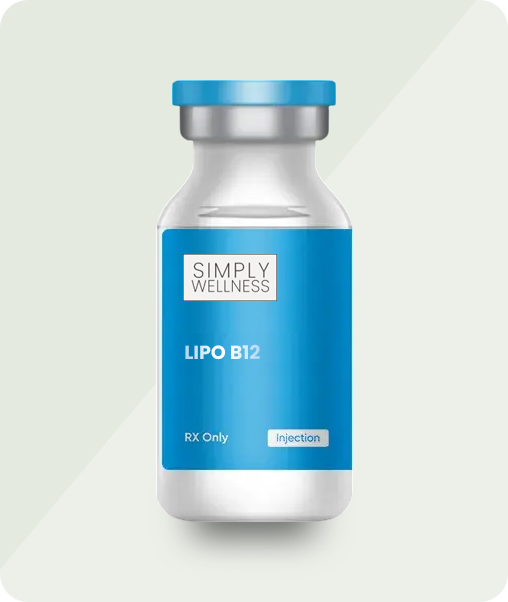
- Avoid products that don’t provide ingredient transparency or have inconsistent labeling images
- Ask about return policy—because if it causes side effects or you decide not to continue, you want options
Red flag warnings: If a listing avoids dosing specifics, hides ingredients, or pressures you with “limited-time” urgency while downplaying safety, pause. With injections, unclear labeling is not a small problem.
Common Mistakes and How to Avoid Them
Most “it didn’t work for me” stories aren’t just bad luck—they’re predictable patterns.
- Assuming fatigue = low B12. Fatigue can be iron deficiency, thyroid issues, poor sleep, anxiety, or overtraining. B12 may be irrelevant.
- Skipping a baseline plan. Don’t judge results after one injection. Track symptoms before starting and compare after a full 1–2 week window.
- Changing too many variables at once. If you start Mic B12 and also change diet, workouts, and sleep timing, it’s hard to know what helped.
- Ignoring side effects. Mild injection-site soreness can be common, but persistent nausea, rash, or worsening symptoms should stop the experiment and prompt medical advice.
- Using the wrong technique or storage. Improper handling or incorrect storage can affect product quality. With injections, follow labeled instructions and sterile handling guidance.
- Expecting “instant energy.” Even when B12 is part of the problem, improvements can be gradual.
FAQ
Is it proven that Mic B12 injections do anything for fatigue?
They’re most likely to help when you’re truly low in B12. For people with normal B12 levels, fatigue may not improve, because B12 isn’t the driver in that case. Evidence supports repletion benefits, but individual symptom outcomes vary.
How long does it take for Mic B12 injections to work?
Some people notice subtle changes within about 1–2 weeks, while others take longer—especially if deficiency was mild or symptoms have multiple causes. The “right” timeline is the one where your symptoms trend consistently, not a single-day result.
What side effects are common with Mic B12 injections?
Injection-site soreness or mild discomfort can happen. Some people report nausea or headache. Stop your experiment if you get concerning reactions (like rash, swelling, or severe symptoms) and seek medical guidance.
Can Mic B12 injections combine with other supplements or medications?
Often, B12 can be used alongside other supplements, but the safe combination depends on what else you take (especially medications that affect nutrient absorption or your specific medical conditions). If you’re on prescription meds, check with a clinician or pharmacist before combining.
Oral vs injection: what’s better than Mic B12 injections?
Oral B12 can work well for many people, especially if absorption is adequate. Injections may be considered when oral isn’t tolerated, isn’t effective, or absorption is impaired. “Better” depends on your cause and lab picture, not marketing.
A Practical 2-Week Experiment Framework
If you’re trying to answer “what do Mic B12 injections do for me,” run a short, structured self-check. This isn’t medical treatment—it’s a consumer-style way to learn whether the product is moving your symptoms in the direction you want.
Days 1–2: Baseline capture
- Write down your top 3 symptoms (e.g., fatigue, focus, tingling, mood)
- Score each symptom 0–10
- Log sleep duration/quality, caffeine, and workout intensity
Days 3–14: Use consistently, don’t stack
- Follow the product label schedule exactly
- Keep diet and exercise stable aside from normal routines
- Track injection-site effects the same day as the dose
- Record symptom scores 2–3 times per week
Decision rule (so you don’t rationalize)
- If you notice a clear trend (e.g., fatigue scores drop by ~2+ points and stay improved for multiple check-ins), you can consider continuing cautiously as planned.
- If you see no trend after 2 weeks—and your diet/sleep haven’t shifted drastically—don’t assume you “need more.” Consider evaluating other causes (iron, sleep issues, stress, thyroid) before spending more money.
- If side effects become significant, stop and get professional advice.
What to expect realistically: You may feel “small improvements,” not dramatic transformations. The best sign is consistent, not chaotic.
About the Author
Jenna Morales is a wellness writer and consumer product reviewer with 6+ years of experience covering supplement routines, ingredient transparency, and practical safety checklists. Her review work focuses on how products perform in real user contexts—dose consistency, time-to-effect tracking, side effects, and where marketing claims tend to overreach. She does not provide medical care, and this article is written for informational purposes only. If you have concerning symptoms, are pregnant, or have a known medical condition, discuss B12 decisions with a qualified healthcare professional.
Discussion